
The Research
Cuenca
(Ecuador)
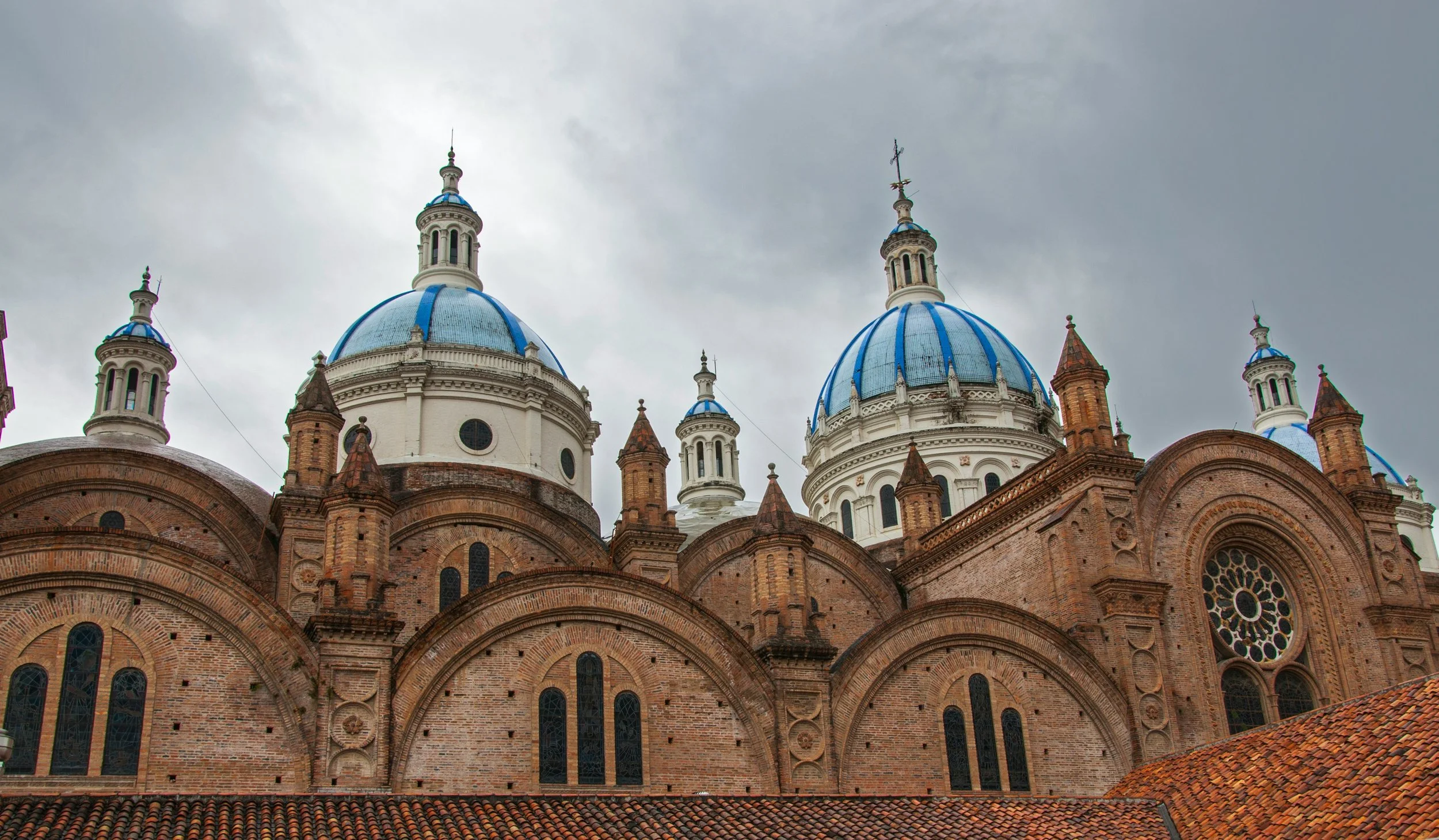
Cuenca, officially Santa Ana de los Ríos de Cuenca, is a city in the central inter-Andean region of Ecuador, located by the Paute river basin, at an altitude of 2,538 meters above sea level.
It is the capital of the Azuay province and has a population of almost 600,000 inhabitants (2022 census).
Galva
(Illinois, USA)

Galva is a small rural town of approximately 2,500 residents, rooted in a predominantly agricultural landscape characterized by expansive corn and soybean fields in Northwest Illinois.
Over the past three to four decades, Galva, like many comparable rural communities, has faced profound economic and social shifts.
Darwin
(Australia)
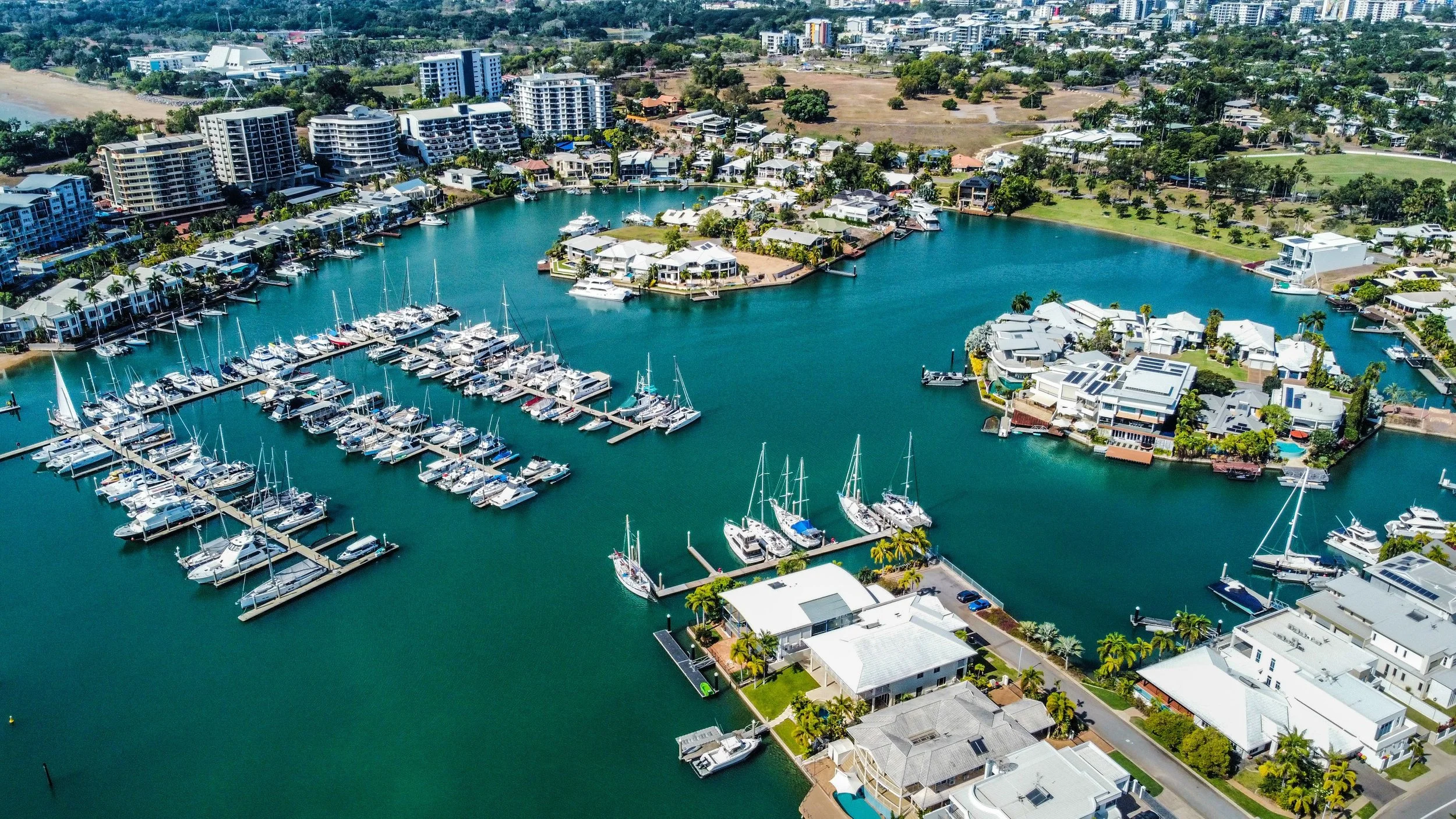
Darwin is the capital city of the Northern Territory (NT), in Australia, the historical Larrakia region.
The Larrakia people are the traditional owners of the Darwin area, and Aboriginal people are a significant proportion of the population.
Homer
(Alaska, USA)
Homer is a 6,000-inhabitant city in the Kenai Peninsula Borough, in Southcentral Alaska – the 3rd least populous state in the U.S., but the largest by land area.
Long known as the “Halibut Fishing Capital of the World”, Homer is strongly characterised by its coastal nature, its seasonal flow in visitors, and its spectacular natural scenery.

Princeton
(West Virginia, USA)
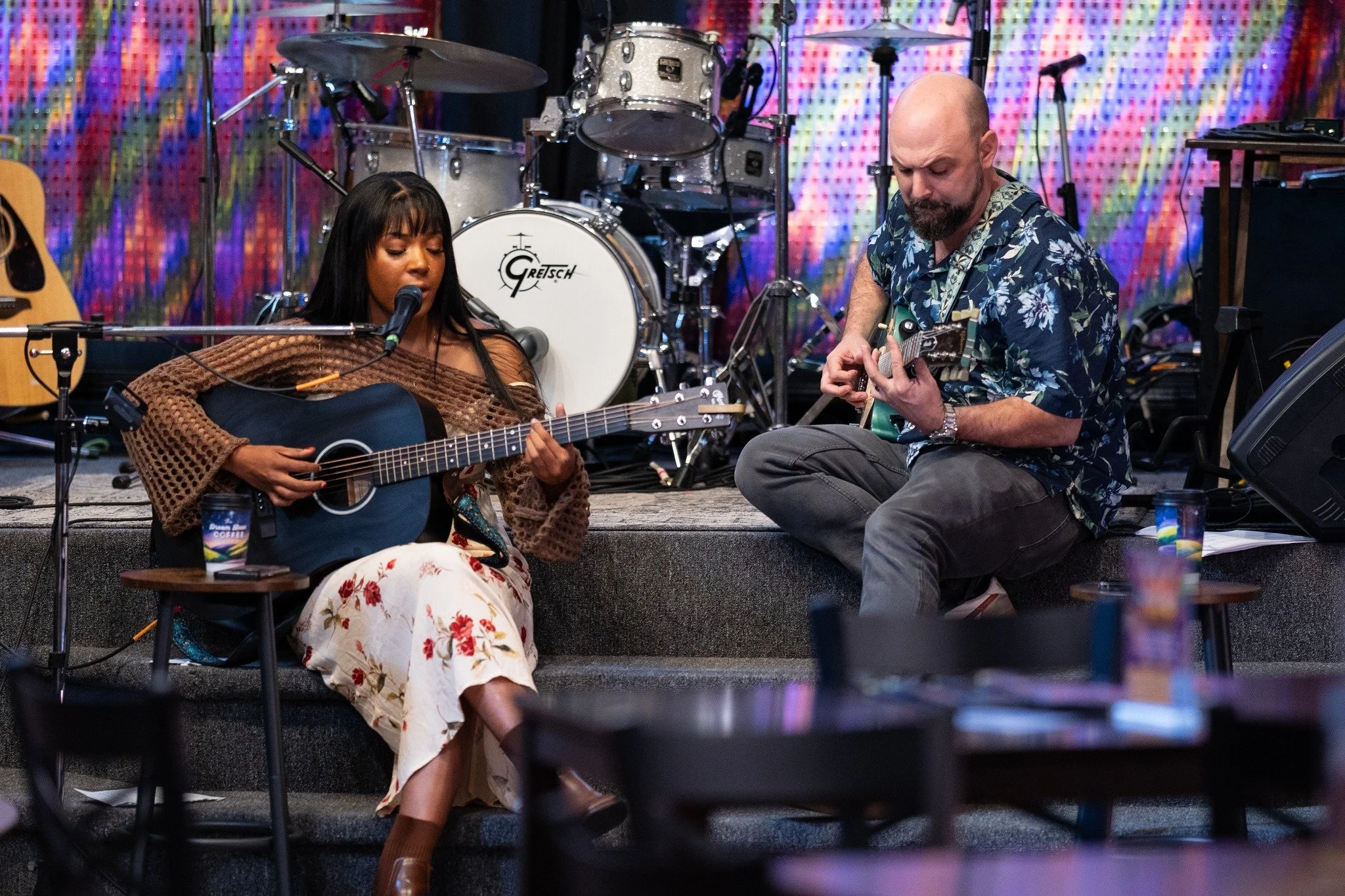
Princeton is a small city in Mercer County, southern West Virginia (U.S.A.) serving as the county seat and part of the Bluefield micropolitan area.
With a population of 5,595 in 2024, it is a small yet culturally rich town, with a past tied to railroads and the coal industry.
Folkestone
(UK)
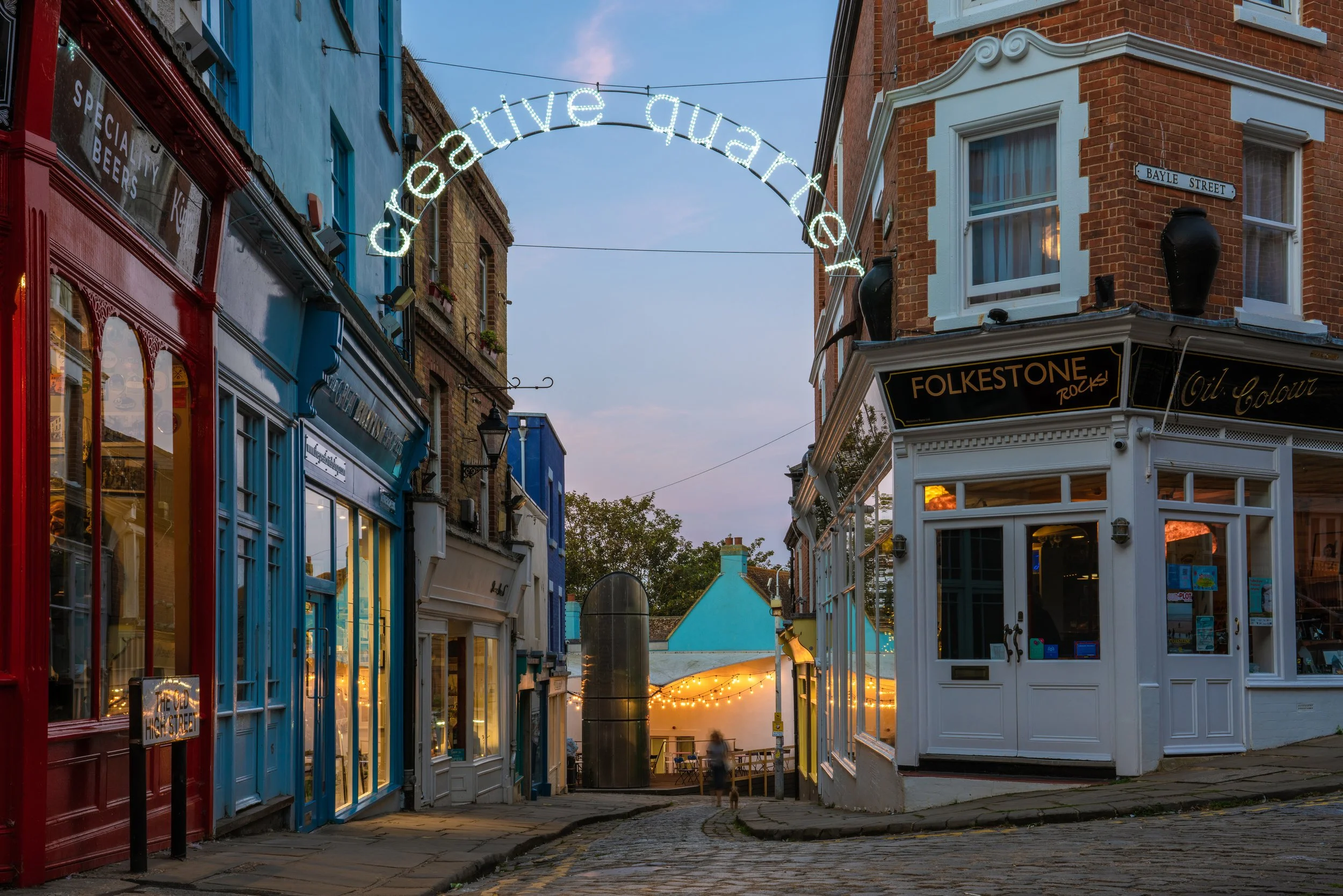
Folkestone, located on the southeastern coast of England, is one of the sunniest places in Britain.
The town’s narrative has been profoundly shaped by pivotal infrastructural and economic changes, particularly the development of the Channel Tunnel and the subsequent decline of ferry services to France, depriving it of significant business and tourism opportunities.
Bishkek
(Kyrgyzstan)

Boutique festivals and sustainable distribution of resources, alongside excellence in artistic quality and audience experience
Exploring music’s intersection with destination tourism
Gallup
(New Mexico, USA)

Promoting genre diversity
Best practices in audience development
Gander (Newfoundland & Labrador, Canada)

A preliminary mapping exercise of music ecosystem actors, artists, venues, under‑represented genres and training gaps, and SWOT analysis
Best practice in artist development (funding schemes, training, project grants, artist‑residencies, etc.) toward a thriving and visible music scene
Lerwick
(Shetland, UK)

Best practice in ‘Music Import’: bringing visiting artists in
Best practice in ‘Music Export’
Mariehamn
(Åland Islands, Finland)

The professionalization of music in Mariehamn: Identifying gaps, overarching themes and key priorities
A preliminary mapping exercise of actors in the sector, envisaging directions and actions to address the gaps
Nuuk
(Greenland)

Spaces for experimentation, dry venues and empowering the youth
Music export and strategic planning: Focus on Iceland
St. Johnsbury
(Vermont, USA)

Articulating the social and economic value of music
Embedding the language of music ecosystem resilience into town and organizational planning
Torshavn
(Faroe Islands)
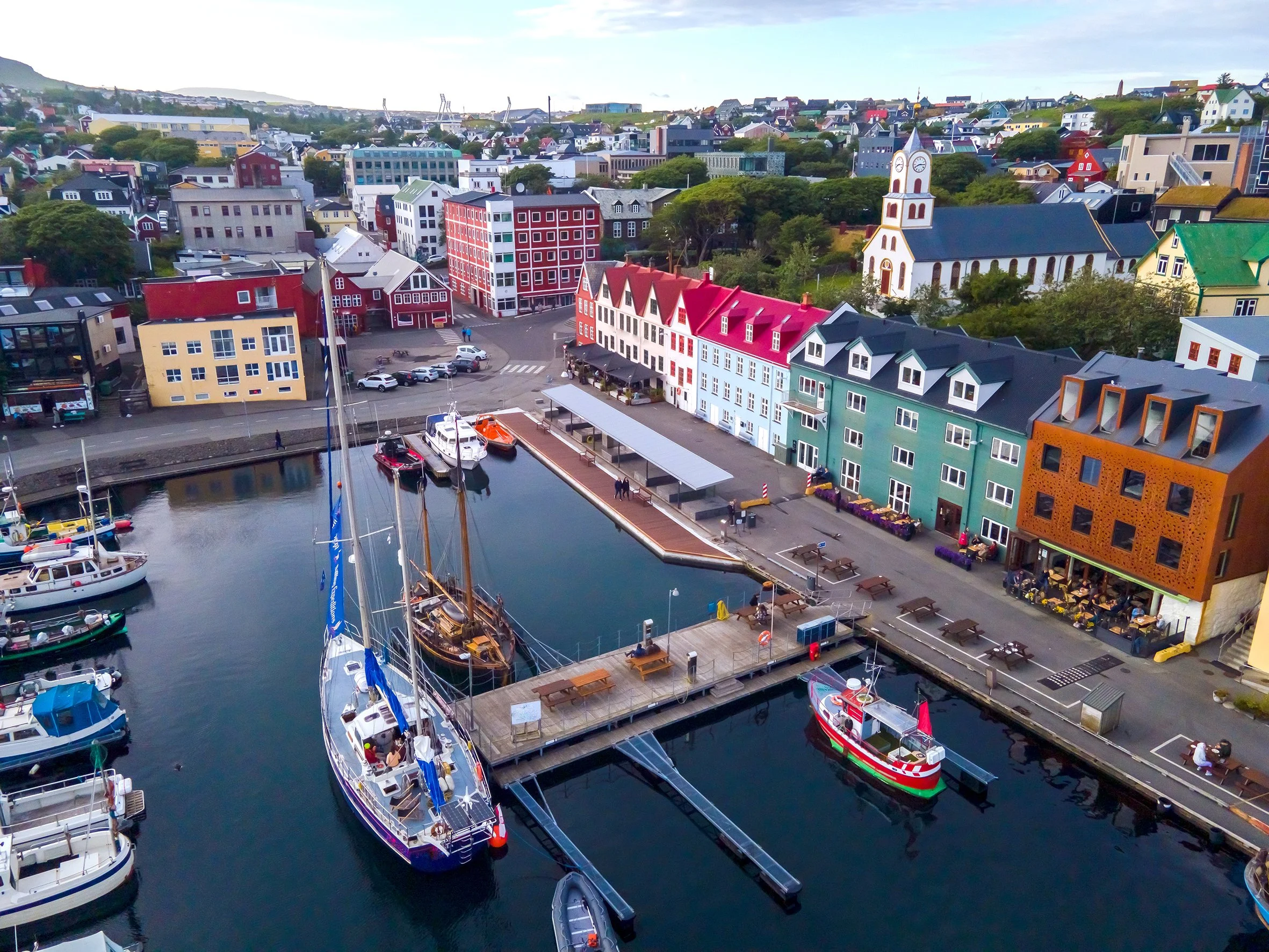
Definition of key areas of focus for Tórshavn’s music ecosystem, and development of key cross‑sector priorities
Three best practice case studies on defined key areas of focus: Re‑evaluating of the funding system, audience development and fostering experimentation
Umeå
(Sweden)

Programming and greater genre diversity
Making the case for a medium‑sized (200‑250 person capacity) venue to support experimental, currently overlooked genres
Whitehorse
(Yukon Territory, Canada)

Alternative financing models for venues
Excellence in music funding achieving fair access, community relevance and artistic quality
Whitesburg
(Kentucky, USA)

Communicating the social and economic value of music, with a focus on community health
Music organizations and accessibility (including physical disabilities and mental health conditions)