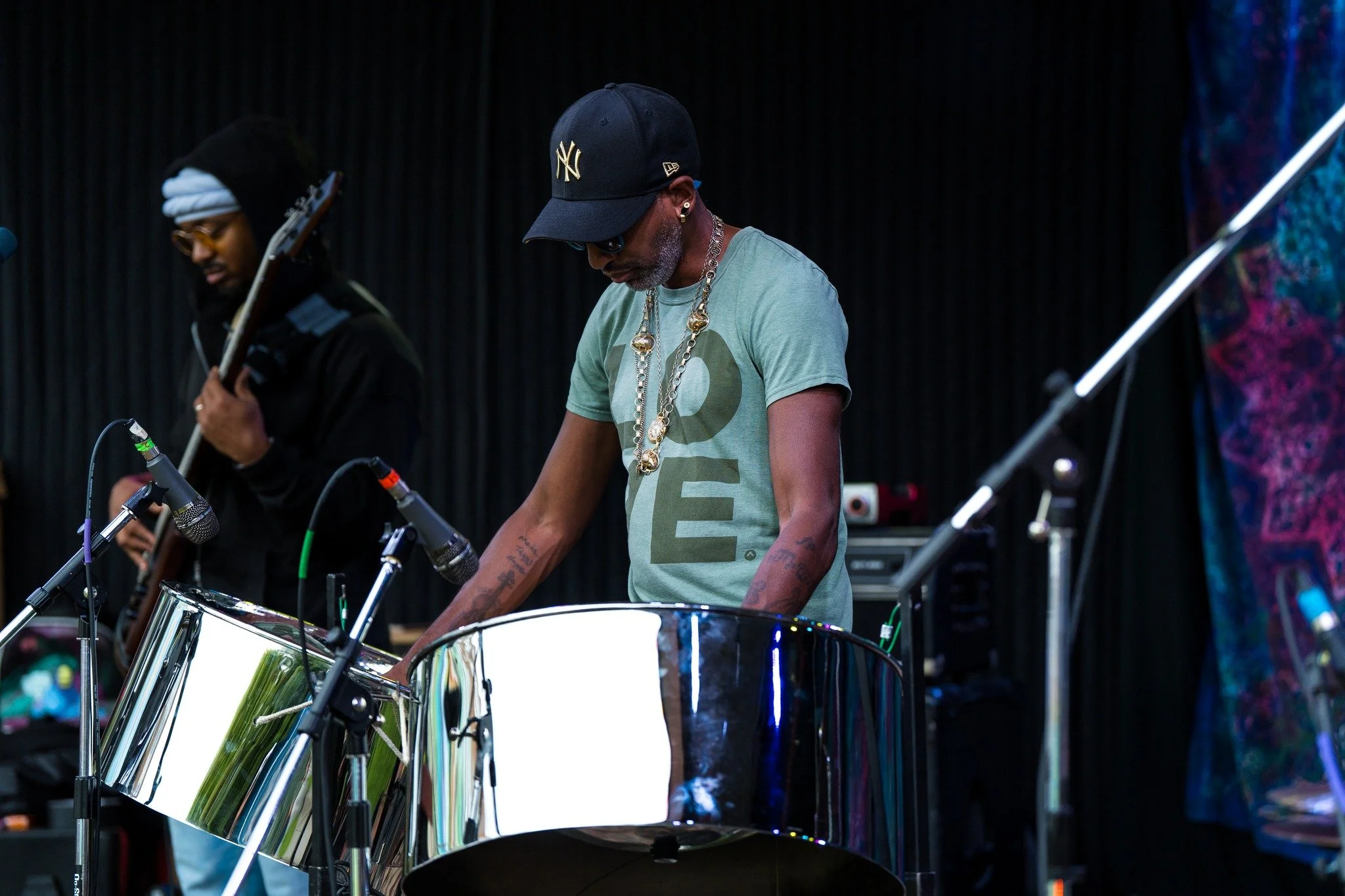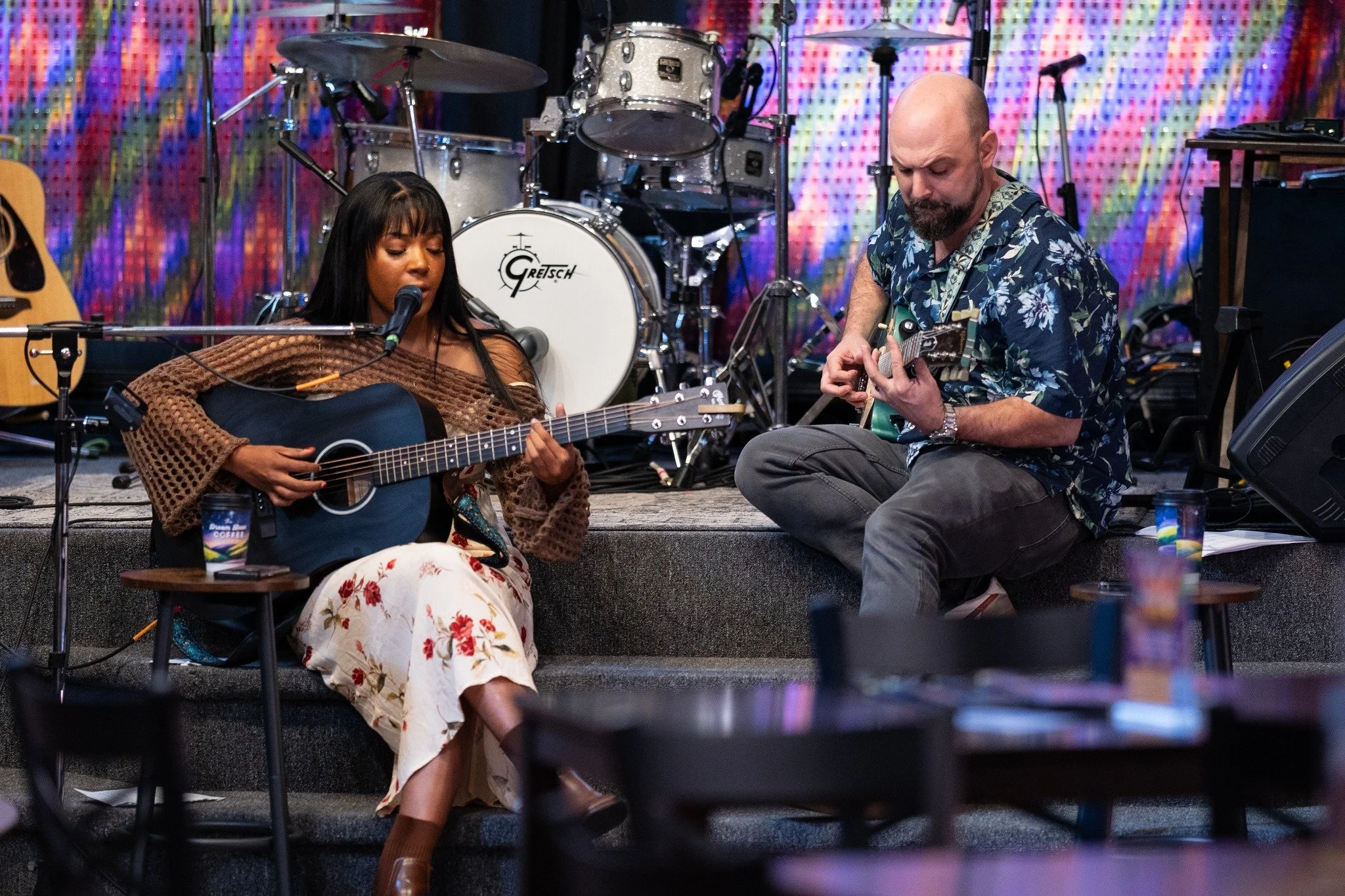
Princeton, West Virginia
Empowering global communities via the advancement of music policy
1. Introduction
The Center for Music Ecosystems is privileged to lead The Music Policy Resilience Network into its third year, as the program continues to develop and demonstrate its relevance to participating towns, cities, and communities, as well as providing broader benefits to those able to gain from the findings and recommendations presented in this report and the accompanying reports for all participating cities.
The Music Policy Resilience Network emphasizes the role and impact of music ecosystem policy, focusing on how it can be effectively utilized in small, mid-sized, and geographically isolated communities, as well as among those who consider themselves geographical ‘outliers,’ increasing their resilience and resistance to internal and external shocks and disturbances, and enabling them to develop not just in the field of music policy, but across various related policy areas, as befitting need. The work examines how resilience is currently embedded in the music ecosystems of the participating towns and cities, identifies areas requiring further development, demonstrates international best practice case studies, and concludes with a series of actionable recommendations, tailored to each location.
The Music Policy Resilience Network merges both research and practice via the following activities:
Monthly 1.5 hour online masterclasses and workshops focussing on topics requested by members, including ‘Empowering the Artist in the Community’; ‘Music and Tourism’; ‘An Introduction to Music Policy’; ‘The Power of Networks’; and more
1:1 research with cities and stakeholders with an assigned expert consultant, achieved through a combination of literature review, data analysis, stakeholder analysis (interviews, focus groups, written exchanges, surveys, mapping exercises, and more) culminating in a written and freely available report with recommendations
Access to the Music Policy Resilience Network online platform, and direct links with all network members
Opportunities for peer review of ongoing music policy and related projects by other members of the network
Measuring research impact and prospective next steps in each of the communities
Lifetime membership of the network (including access to the online platform and monthly masterclasses).
Join the Network
The Music Policy Resilience Network has evolved into a rolling programme, with towns, cities and communities able to join at any point throughout the year. Contact us to express your interest: info@centerformusicecosystems.com
2. Context
Princeton is a small city in Mercer County, southern West Virginia (U.S.A.) serving as the county seat and part of the Bluefield micropolitan area1. With a population of 5,595 in 2024, it is a small yet culturally rich town, with a past tied to railroads and the coal industry.
Historically, Princeton's economy was shaped by the Virginian Railway, with supporting industries like mills, factories, and bakeries emerging by the 1920s. Although rail-related employment waned through the mid‑20th century, Princeton adapted by attracting new industries, such as the North American Aviation plant in the 1960s.
Today, Princeton continues to pursue economic vitality. A recent comprehensive ten‑year town plan sets its sights on becoming a broader economic hub for southern West Virginia, prioritizing infrastructure, public services, and community development.
Culturally, Princeton supports a thriving arts scene centered around the Chuck Mathena Center, a 1,000‑seat non-profit performing arts venue hosting a range of performances and civic events. Along Mercer Street, the RiffRaff Arts Collective (RRAC) anchors the creative district—offering performance space, artist studios, a recording studio, and a fine‑art boutique.
Music is at the heart of Princeton's cultural revival. RRAC plays a pivotal role, not just as an arts space but as a driving force for community healing and creative expression through music, especially in light of the social and economic deterioration of the city in its post-industrial era, causing a large exodus of its population and the spreading of a feeling of “having to leave to make it”. Established in 2006, RRAC has revitalized downtown Princeton by bringing in two performance venues, a recording studio, artist programs, and innovative multimedia projects—highlighting music’s transformative power.
One standout initiative is We Need to Talk, funded by the National Endowment for the Arts. It builds bridges through cinematic music videos and docushorts featuring original compositions by local artists—bringing communities together through story and song.
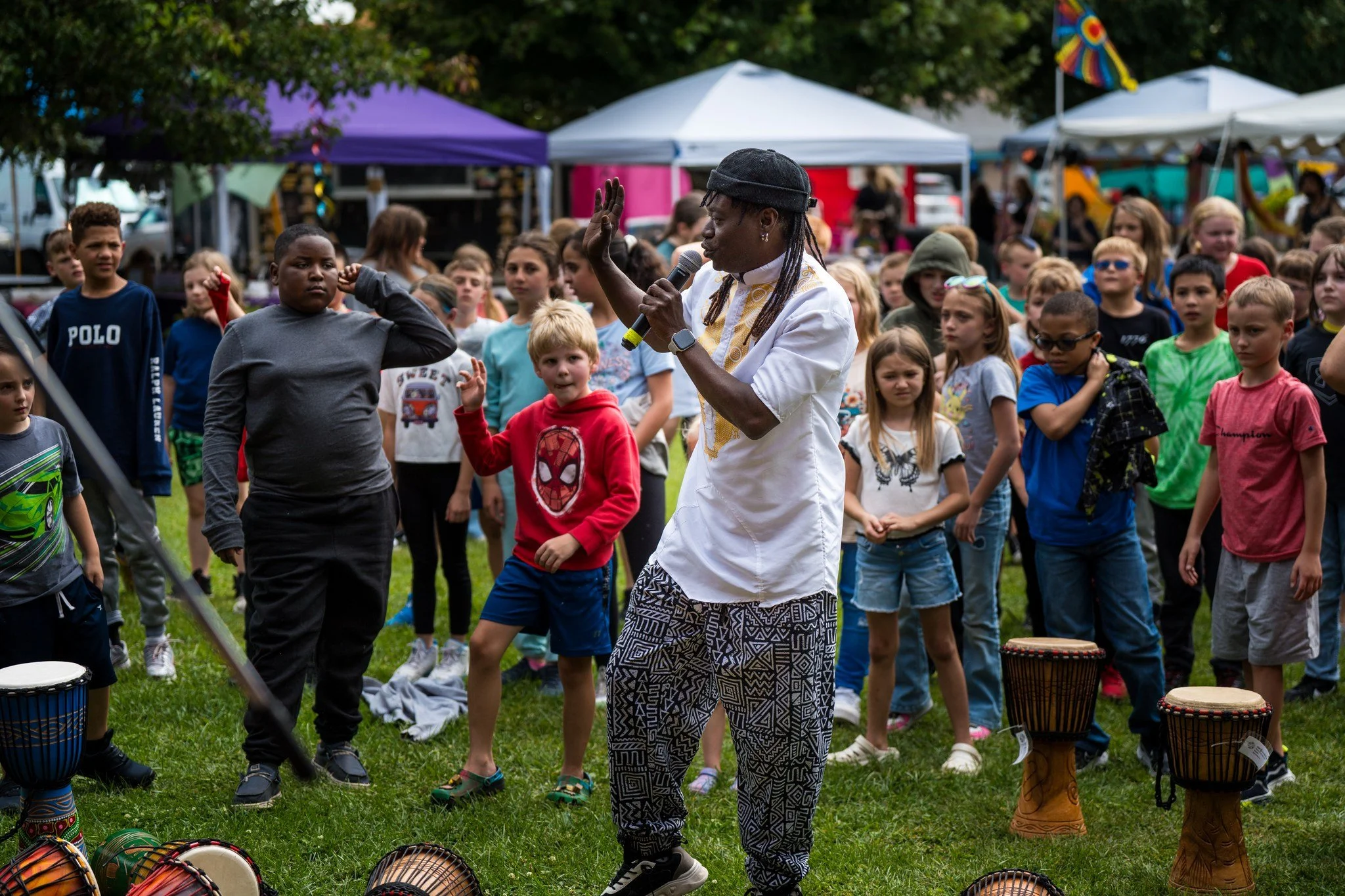
Princeton also hosts Culturefest, a four‑day World Music & Arts Festival organised by RRAC, that enlivens downtown with diverse musical performances, workshops, dance, and interactive experiences. Over 25 acts spanning genres like Appalachian folk, bluegrass, soul, experimental, and world fusion perform on multiple stages—often free and family-friendly.
While economic shifts have challenged the community over the years, Princeton has responded with a vibrant cultural and music scene anchored by active institutions like the Chuck Mathena Center and the RiffRaff Arts Collective. With immersive events like Culturefest and innovative arts programming, Princeton’s music ecosystem is ever-evolving in creativity and connection.
-
Micropolitan areas are defined by the U.S. Office of Management and Budget as urban clusters with a population between 10,000 and 50,000 inhabitants. These areas serve as important regional hubs and are smaller than metropolitan areas. [Ref: U.S. Census Bureau, 2019]
3. Deliverables
PHASE 1
Stakeholder engagement
Two double interviews with musicians, artists and audience members in the music ecosystem of Princeton.
PHASE 2
Three best practice international case studies
Three best practice international case studies in three areas of focus for Princeton’s music ecosystem, namely: equipping repurposed cultural spaces for learning and the importance of networks (1), exchange programmes and showcase festivals in remote areas (2), and tourism and night time economy (3).
4. Methodology
This work has been carried out through a combination of desk research and qualitative interviews, focusing on an active involvement of the city contact in the whole process, to maximize the impact and value of the work while it was being produced. The result aims to be a synthesis of this process of work, containing key findings and suggested directions for action.
PHASE 1
Stakeholder Engagement
Context and Introduction
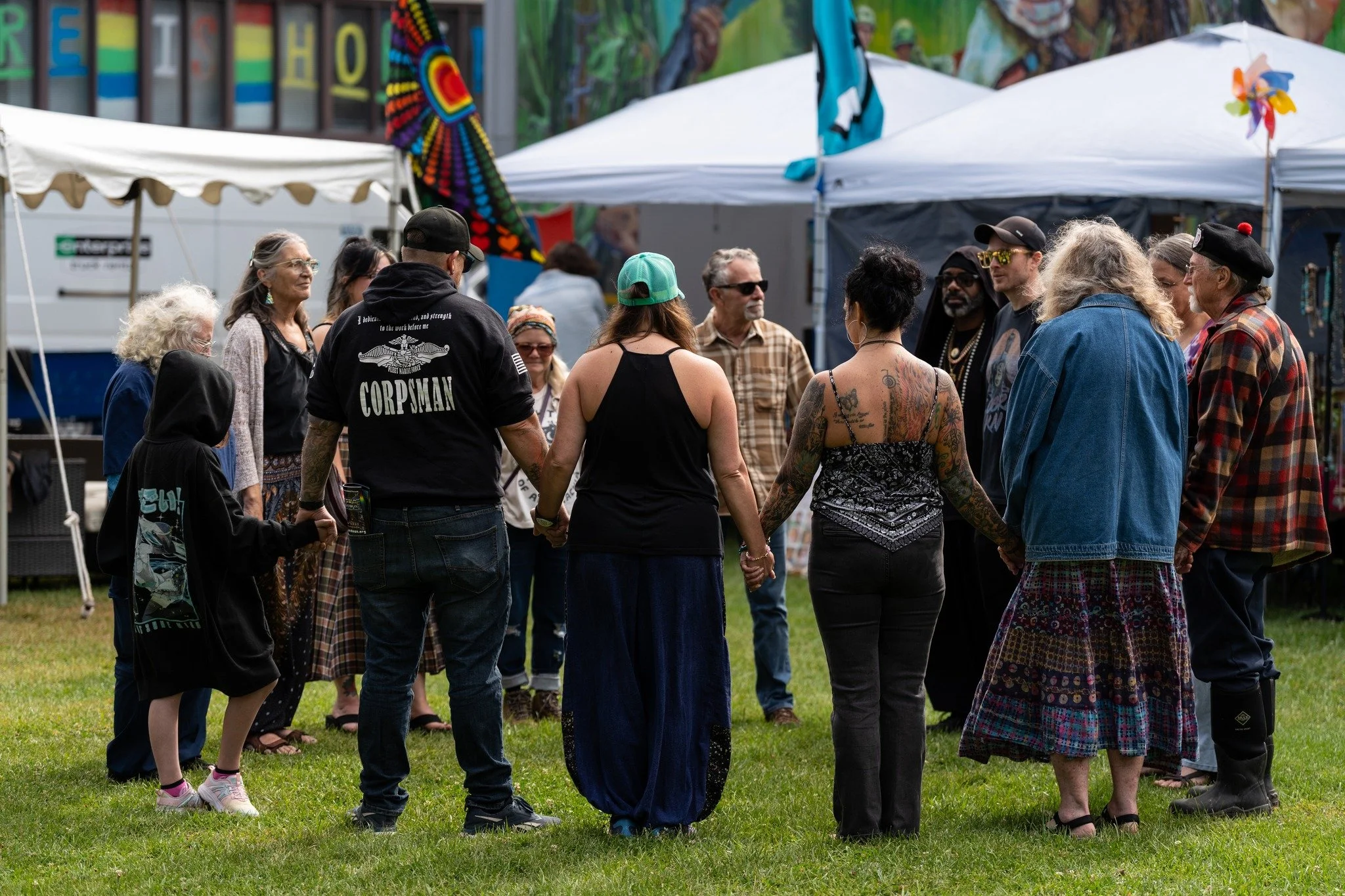
The first phase of MPRN research in Princeton was a preliminary listening exercise to determine shared challenges, gaps and desired futures between different actors in Princeton’s music ecosystem, which took place through two double in-depth interviews with firstly, musicians and artists, and secondly, audience members. These interviews resulted in the following key challenges and possible futures.
Key Challenges
1. Ideological remoteness
The transformation of Princeton from a sombre, post-industrial town to a vibrant community, with a fresh and exciting cultural district, is probably one of the most frequently mentioned elements in the interviews with actors from the local scene. Yet the industrial, exploitative heritage of the area, the local vs foreigner stereotypes associated to that and, to some degree, an inferiority complex that manifests through, among others, assumptions that “no good quality music can be heard in Princeton” contribute to what some interviewees have called “an ideological remoteness”, as opposed to a geographical one.
In the case of music, this contributes to distancing niches and genres from each other, with the music scene “sometimes feeling territorial”, as one interviewee pointed out.
KEY QUOTE
Jerry Dickens, local community volunteer:“In Southern West Virginia, a lot of towns are relatively closed off. Some people are untrusting, and there are historical reasons for that. But we are going to have to break down some walls here, because we also have a creative community that needs places to play.”
2. Diversity and representation
The impact of exposure to diverse line-ups and programming is “life-changing”, as mentioned during the interviews. And while there has been and continues to be great intentionality in programming diversity in the line-ups of Culturefest and other activities in Princeton, work remains to address the below points:
Racism: from a social and structural point of view.
Artist database: through the creation of a shared database of BIPOC artists, organisers and folks in the creative scene programmers have more resources to amplify their voices and smoothen the programming process.
Access and exposure to diversify audiences: reaching diverse audiences and increasing the numbers of BIPOC people attending diverse acts is also an ongoing objective.
Offer for youth: both from a learning standpoint, but also giving value to social interaction and ownership.
KEY QUOTE
Je’Dah Madison, Photographer, Singer/Songwriter, and Community Centered Creative:“The safety that has been built within the community is an indicator of the positive development in Princeton. Spaces for belonging and healing have personally helped me a lot throughout my journey. Yet I dream for Princeton to become a community where diversity is a breathing, living reality that we can see, that is the heartbeat in our region; not just a decoration, but a real breathing, deep healing power for people.”
3. Audience building and access
Closely related to the topic of diversity, access is another one of the key challenges faced by small and remote communities. In Princeton, Culturefest World Music & Arts Festival has been fundamental in exposing new acts to new audiences, yet the main challenge remains “meeting people where they are” – directly addressing the barriers of access of different populations, either by making the arts more accessible, using alternative formats and diversifying spaces for performance.
In terms of genres and variety of acts, it is key to break pre-existing stereotypes associated with niche audiences (open mics have been strategic on this front), and balance the scene to ensure all genres have appropriate venues.
Strictly in relation to audience building, there are significant local efforts to put in place hands-on communication strategies to ensure inhabitants are aware of the different events and acts being programmed – something that several interviewees now highlighted as problematic, as “people don’t know things are going on”.
KEY QUOTES
Je’Dah Madison, Photographer, Singer/Songwriter, and Community Centered Creative:“Workshops have been an opportunity for different people to experience the arts. We live in a small area where there’s not a lot of representation of different cultures, so I feel that events that bring diversity open up a whole new world to some people that are not used to experiencing things like that.”
Jon Bolt, Library Associate at Concord University, singer-songwriter:“Having ways to lower the barrier of entry to cultural events and letting people be exposed to stuff that they're not going to hear otherwise (for example by bringing Culturefest downtown instead of up on the mountain) has been amazing.”
4. Professionalisation and continuous learning
There is an overwhelming agreement that there is incredible local talent in Princeton, though paired with the assumption that “to make it in the arts, you need to go out of town”. While the desire to leave the hometown and explore different cities and scenes is valid and very nourishing in itself, the biggest challenge is equipping the existing spaces in town that have been progressively recovered and repurposed to facilitate and develop the local talent from very early ages. Equipping spaces for learning has also been one of the focuses for the case-studies (see next section of this report).
KEY QUOTES
Jon Bolt, Library Associate at Concord University, singer-songwriter:“The talent is here, it’s just a matter of giving it the space to grow and injecting it with the knowledge that people need to actually do something with that. We’re not impoverished for talent, we’re just limited by capacity and access to space.”
Freddie Meredith, local community volunteer:“So many people leave to the big cities to get recognition. But even when they do so, that recognition is not there.”
5. Creative nourishment for those running the scene
The recovery and transformation of Princeton into a vibrant, creatively active town has been revolutionary, but has also heavily relied on a handful of individuals whose work and energy has made this possible. As “a great part of the work is community building,” that shrinks the amount of time available for creation, causing a situation where sustaining the scene means also neglecting their own art creation.
Closely related to this is also the need to foster creative exchange also within the region, as well as internationally.
KEY QUOTE
Lori McKinney, Co-Founder, RiffRaff Collective, Culturefest World Music & Art Festival: “I feel like a lot of us around here are giving of ourselves really constantly to create this scene, and we're doing it for each other, and we're doing it for the community, and we're spending all of our energy giving. And we really need to be nourished ourselves.”
Possible futures and strategies
1. Equip spaces for knowledge sharing and learning
Formalise part of the large amounts of grassroots training that takes place already, creating infrastructure: bringing instructors, materials and equipping the spaces that have been transformed and claimed by the creative community with the tools to make them learning environments.
Foster the return and long-term relationships with those leaving or returning, through exchange programmes and home-coming strategies, highlighting the value of community-building and personal connections over financial success.
2. Exploring new ways of utilising the long-standing trust relationship with the city
The success story of the creative development of Princeton has meant a deep trust from administration and local government in the arts community, leaving room to propose, explore and innovate in different forms of institutional support, for example through flexible use of space (using venues differently, in different times of the day and the week, using public space more, exploring innovative tourism strategies, etc.).
3. Amplifying access through work on cultural rights strategies
“Meeting people where they are” was one of the key sentences during the conversation. Bringing art closer to people and adapting the offer and forms of programming to the current challenges and social context of those audiences that are trying to be reached. Some key elements to take into account in this process would be:
Importance of infrastructures of care, family routines and economic challenges of part of the population of Princeton.
Consensus that culture and the creative scene have made Princeton a lot safer.
Importance of role-models and diversifying models and the idea of success.
Need for balancing out the scene to ensure it’s not always the same people taking up space and participating.
RELEVANT EXTERNAL EXAMPLES
Cultural rights strategy: Barcelona Cultural Rights Plan (Pla de Drets Culturals de Barcelona)
Cultural mediation: Montreal’s 2007-2017 Plan of Action adopting cultural mediation as a key priority area for the city’s Cultural Development Policy
KEY QUOTES
Je’Dah Madison, Photographer, Singer/Songwriter, and Community Centered Creative:“A lot of people are not able to go out because they might be at work or at home taking care of their parents because a lot of people do that in West Virginia – they’re just not able to get away. So perhaps different formats like workshops in playgrounds or backyards could be ways to address that. Art is so influential and it affects people whether they’re aware of it or not.”
4. Increase and professionalise synergies with other sectors
Beyond organic exchange, there is real potential to channel and formalise cross-sectoral relationships, for example through the healthcare industry. Trauma-informed arts spaces, different from songwriting workshops, are also options with big potential, where the arts can be included in the realm of healing, recovery and prevention. There’s potential for collaboration with the tourism industry, nature preservation policies and other fields too.
PHASE 2
Three best practice international case studies
Context and Introduction
The second part of this work comprises three reference case-studies in three areas of focus for Princeton’s music ecosystem, namely: equipping repurposed cultural spaces for learning and the importance of networks (1), exchange programmes and showcase festivals in remote areas (2), and tourism and the night time economy (3).
CASE STUDY 1
Equipping repurposed cultural spaces for learning and the importance of networks
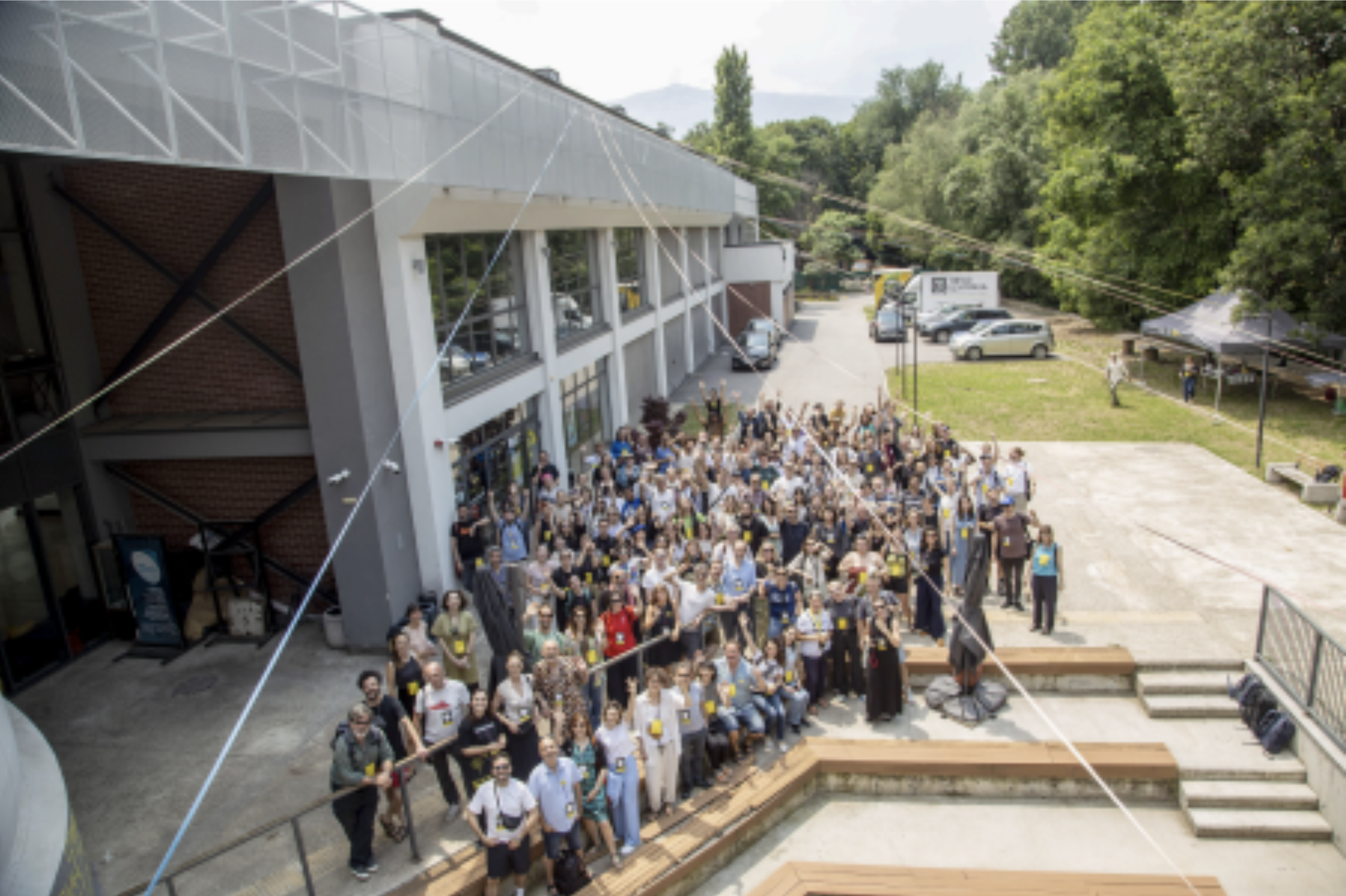
Trans Europe Halles members in one of their biannual meetings, in 2024. / TEH
Trans Europe Halles (Sweden / Europe)
Trans Europe Halles (TEH) is a European network of community-led, grassroots cultural centers established in repurposed buildings. Founded in 1983 by a handful of organisations and artists, it now unites over 170 grassroots arts and culture centres with strong DIY, independent, community-driven and alternative values, across more than 40 countries.
The core of their activity is supporting grassroots communities in their objective to reclaim abandoned spaces and transform them into vibrant hubs for arts and culture. As an organisation whose primary focus is capacity building, it pays special attention to creating the conditions for all members to learn from each other and meet periodically. TEH organises two in-person annual meetings, always in a different location.
The relevance of the network was recognised by the Creative Europe Programme, which awarded TEH with a three-year network grant for the period of 2022-2024. Called “The Network Project” (TNP), this grant supported the organisation’s core activities and has
allowed it to restructure and consolidate its network, to decentralise some of its activities to its hubs, and to equip these with new creative tools to face the challenges of today.
Over the last decades, TEH has led or joined a number of large scale international cooperation projects: Cultural and Creative Spaces and Cities (2018); DISCE – Developing Inclusive and Sustainable Creative Economies (2019), Rebuilding to last (2022), The Cultural Transformation Movement Project (2023), ZMINA/Rebuilding! (2023), Good Enough Transformation (2024). These projects have raised the organisation’s profile and established its position as a reference point for the sector.
TEH is democratically run. Core decisions are made during the biannual meetings in the General Assembly, which also elects an Executive Committee – the organisation’s governing and policy-making body, which consists of a minimum of five and a maximum of eight people who are based in Lund. The organisation is currently co-funded by the Swedish Arts Council and the City of Lund, Sweden; as well as some of its projects by the European Union or the Nordik Kulturfond, among others.
Key learnings and important points for Princeton:
Networks are an impactful tool to increase capacity and learning. This also enables access to larger streams of funding, create organic exchanges of knowledge, and redirect resources (financial and in-kind) among the members to amplify impact.
Explore diverse formats of capacity building: informal moments of (in-person) exchange, staff exchange programmes, doing shadowing work (in some visiting format) elsewhere, peer-to-peer learning or databases, mentorship programmes…
The importance of consistently asking oneself how to stay relevant – and finding ways to do so. For organisations in the cultural sector, and networks in particular, the question of relevance is especially important: what are the trends, needs, and shared objectives out there that should be talked about and addressed? What does the sector, the town, the organisation need the most?
Bonding and bridging is, in a nutshell, what a creative hub should aim for, especially in formerly neglected areas. In post-industrial regions and other types of traditionally poor territories, where there are several layers of pain and renovation to address, cultural hubs can be powerful mediators.
Mieke Renders and Thalia Giovannelli, Managing Director and Administration Manager, respectively, at Trans Europe Halles Network: “Creative economies are extremely important for the improvement of formerly neglected areas, for example post-industrial spaces or peripheral neighborhoods or towns. Through strategies that we could call ‘bonding and bridging’, the cultural sector is able to dialogue with the different groups in a place, repurpose spaces, or create something new, for example. Yet we cannot be naïve about a real danger associated with this process: gentrification. When an independent cultural sector –whether it is a local community or someone else– comes into a stereotyped area of some sort, there is going to be change. At the end of the day we see very positive impacts (increased livability of the place, social connection and integration, sense of belonging, vibrancy, etc.), but the problem is when this type of positive impact is also capitalised on by the real estate industry. In that moment, there is a real risk of financialising the place, something that can also result, down the line, in the forced displacement of the creative community itself due to speculation and a rising cost of living.”
Relevant External Examples:
Not Quite, Fengersfors (Sweden)
Creative culture center housed in a former paper mill. The renovation of the space in a 400-inhabitant village revitalised the area and attracted new inhabitants.
7Arte, Mitrovica (Kosovo)
A cultural organisation supporting young artists and the development of the creative industry in the region.
Cultursoundzone, Malmö (Sweden)
Sweden’s first sound regulation to protect and promote local culture within urban development.
Basis Vinschgau Venosta, Silandro (Italy)
A social activation hub in North Italy’s Alpine region, focused on regional and social development in the areas of culture, economy, education and social affairs in a rural area.
Fabrika, Tbilisi (Georgia)
A cultural centre located in a former Soviet sewing factory featuring artist studios, shops, educational institutions and a co-working space.
CASE STUDY 2
Exchange programmes and showcase festivals in remote areas
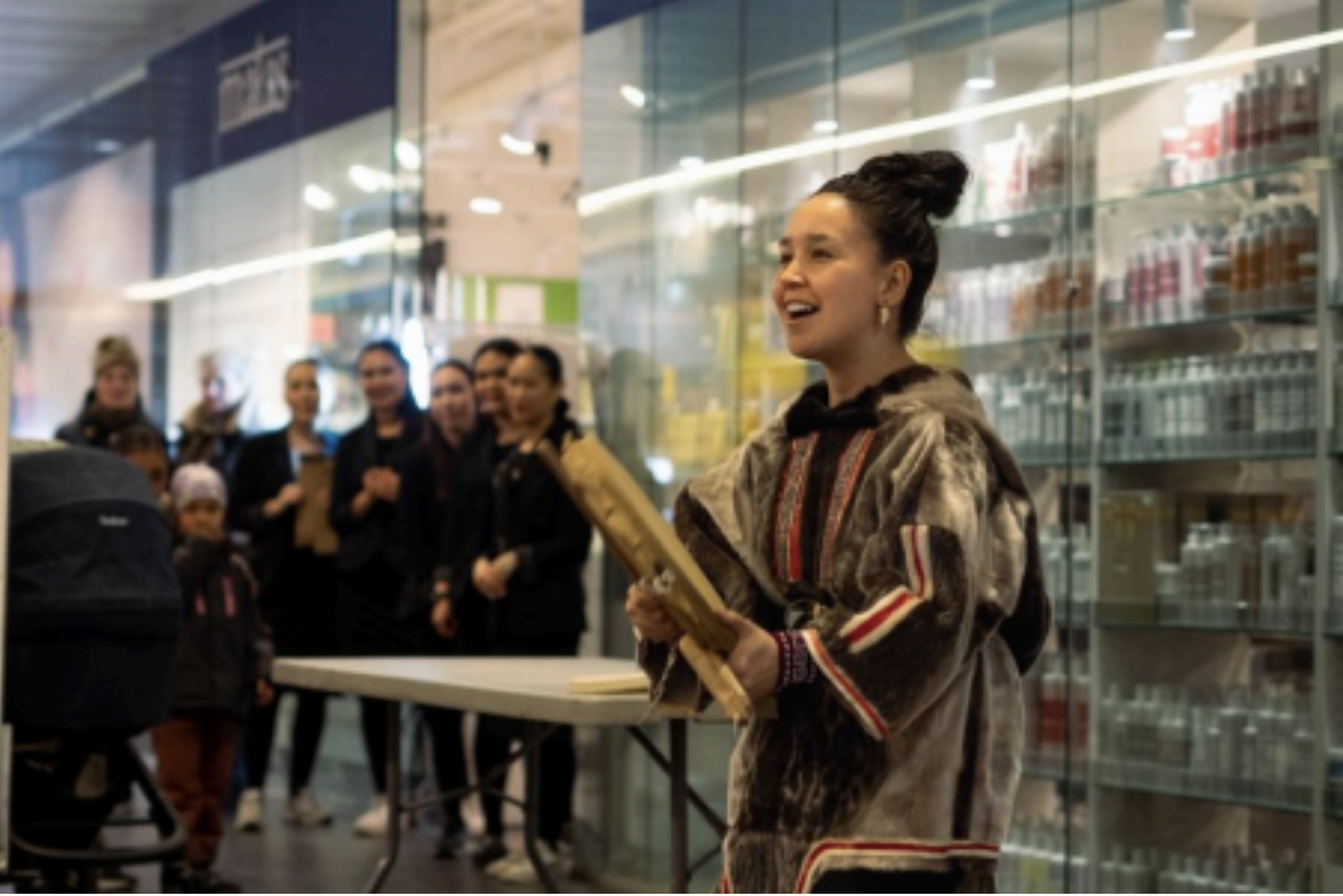
Nuuk Nordisk Kulturfestival / Dida G. Heilmann, Cebastian Rosing, Kevin Telling og Karl Peter Olsen Motzfeldt
Suialaa Arts Festival (Nuuk, Greenland)
Suialaa Arts Festival (formerly named Nuuk Nordic Culture Festival) is a multidisciplinary arts biennial, and one of the biggest returning cultural events in Greenland. It is held in Nuuk and its surroundings within Kommuneqarfik Sermersooq every two years, and hosts artists from various different artforms and from across the Scandinavian and Arctic regions.
The festival started in 2015 inspired by Iceland Airwaves, and since its start one of the core objectives was to showcase Greenland as a window to the Arctic and a meeting point for the different geographies of the most northern parts of the world.
The festival has a programming group that consists of four important partners: Nuuk Art Museum, Katuaq, The National Theater of Greenland and The Central Library of Greenland. These partners are part of the curating and creative process but also serve as main venues during the festival hosting a broad range of concerts, theater, dance, exhibitions, talks, literature and more.
Every second year the festival offers a broad list of program-lineups with new multimodal productions that involve the audience in co-creation and participation which blurs the lines between entertainment and art, performer and spectator, audience and venue.
There are a few aspects that are central to Suialaa:
It forms one of the backbones of the cultural strategy of Nuuk municipality, acting also as a testing ground for collaborations, ideas and projects of the government.
Collaboration across disciplines is central. There has been a large focus on fostering relationships with people and partners that were interested in Greenland, prioritising that capacity to connect rather than having a large name.
Fostering new connections is one of the strategies to find alternative sources of funding. The music industry, for example, has been involved in the festival, and while so far there have not been relationships with labels or agents, for example, new connections with cultural organisations elsewhere have been made (e.g. the Inuit Arts Foundation in Canada).
Audience building and innovative programming are key. One of the goals of the festival is showing art where it is not normally shown, to showcase how the city can be used in different, new ways, and to spark the interest in people to use spaces differently for artistic creation. This also means accessing various niches and social groups, to ultimately tell them that art is for everyone – not just an “elite” or “the hippies”.
A lot of attention is paid to ticketing and communication as ways to amplify reach. The festival usually brings one or two big headliners, that will ensure people want to buy a ticket to see, and then encourages everyone to continue to use the ticket to attend other performances during the rest of the days. All programming is announced via word of mouth, a strong digital and physical communication strategy, and the channels of all partners.
Jonas Lundsgaard Nilsson, Head of the Culture and Event department at Komuneqarfik Sermersooq, former Director at Nuuk Nordic Culture Festival (newly renamed to Suialaa Arts Festival): “A very important aspect of Suialaa is the commissioning of new work. We very consciously separate part of the budget to commission new artworks, of different disciplines, to be produced and showcased during the festival. The partnerships that we have created in this way are also one of the most important outcomes of the festival for us, also from the point of view of return (of artists and people). We have commissioned projects that then take on a life of their own and travel to other regions in Scandinavia and the Arctic. Sometimes we also collaborate with festivals elsewhere in the North, and commission new artworks together, sharing the financial costs. Our ultimate goal is to enable the creation of something that resonates, and foster the ownership of these projects by the artists themselves.”
Key learnings for Princeton:
Proposing multidisciplinary collaborations can strengthen the sector as a whole. It also enables communication and exchange between “unusual suspects” – people operating in similar disciplines but whose worlds often do not collide.
Festivals or events can work as spaces for exchange on a regional scale, and can serve a great function to leverage geographical differences and unbalances.
Finding references or best practices facing similar challenges is a tool to start shaping exchange platforms. Greenland mirrors itself in Iceland, due to the regional similarities and remoteness – searching for international parallelisms could be a good way for Darwin to create new music offers in the city.
Involving all stakeholders of the ecosystem in a festival is a great way to strengthen it as a whole. How could agents, labels, venues, etc. be involved in a celebratory event, of whatever size; how could spaces that are usually not used for art be used.
Activating public space is a fantastic audience building strategy. Exposure to art in public spaces is one of the most successful ways to promote artistic exchange, and dialogue between audiences and creators.
International relations can be fostered despite the distance, and sometimes exchange opportunities take a long time to materialise, yet ongoing conversations are key for that to happen. Furthermore, being able to showcase a list of partnerships (even if they are informal connections) whose support can be quickly gathered can be a great asset in negotiations with potential funders and governments.
All year-long scouting is important, especially to maintain a database of possible acts and organisations to create exchanges with. To do so, having multiple people of different ages and social backgrounds can help amplify and improve the programming.
Advocating for funding for music export can be more successful when it is done using success case-studies and role models, even if they are international.
CASE STUDY 3
Tourism and night time economy
Cities After Dark / URBACT
Cities After Dark (Europe)
Cities After Dark is the first EU-funded international network of European cities for the revitalisation of the night-time economy. Part of the URBACT programme, the network aims to advance the potential of the night-time economy for development, sustainability and social and economic recovery in the aftermath of the Covid-19 pandemic.
Cities After Dark is a multi-year project (January 2023–December 2025) and comprises a total of 11 European cities, led by Braga (Portugal). The network is composed of three capital cities (Paris, Tallinn and Nicosia) with structured nightlife governance systems in the case of Paris and Tallinn, medium-sized cities (Braga, Genoa, Malaga, Piraeus) aiming to improve the quality of nightlife economy as a factor of city attractiveness and safety, and cities (Budva, Varna, Zadar) with a nightlife mainly linked to seasonal tourist flows, but willing to work to create new opportunities all year round.
In each city there is a working group with a diverse membership - municipal departments, civil society, public or private institutions, etc. These are the so-called URBACT Local Groups, which are responsible for advancing the development of research, drafting policies and reviewing proposals based on the cross-cutting themes of the project.
Representatives of all Cities After Dark cities meet periodically to consolidate and carry out the Integrated Action Plans, strategic action plans located in each of the participating cities whose objectives will be implemented and evaluated throughout the duration of the project. Each city defines priority areas of action according to its specific challenges (safety in Genoa, activation of the city centre in Nicosia, improvement of the perception of the night-time economy in Malaga, etc.) and through joint working sessions with the whole network they fine-tune the implementation actions.
While the focus of the work is night time economy and governance, the working groups apply a broader approach, encompassing a social justice lens, support to local grassroots initiatives, exploring synergies with tourism, and diversifying activities through space and time, among others.
Simone d'Antonio, Lead Expert URBACT network Cities After Dark: “Thinking holistically about city planning also means taking into account diverse challenges – climate change, gender balance, integration, social justice… Many cities in the Cities After Dark network started from a purely night policies approach, but the work is increasingly getting closer to what we refer to as time-based urbanism. Take climate change, for example. Beyond using parks as climate shelters, there’s also another trend now, which is reconsidering the opening hours of museums. Marseille, in France, has started thinking about this: if you’re a tourist, and are visiting the city during summer, most of the day it will be 40ºC and you will just not go out; and if the museum you want to visit closes at 6pm, you quite likely will end up not going there. Keeping these museums open until late is something that is part of a wider reflection on how to organise licensing as well, the opening times of bars, clubs, shops or public services. It’s part of something wider, really going into the direction of a 24-hour city, which is the next objective of many places like London.”
Key learnings for Princeton:
Innovative city planning is increasingly holistic, which means it takes into account different layers and fields in the challenges it addresses. In the field of night governance, the idea of “the night” as something not that needs to be managed, but an opportunity for social, cultural, and economic growth of the city is a good example.
Mapping existing resources is key. Understanding where and who are the key cultural players in a city, how they relate to each other, and how they could work alongside each other to achieve a common goal is the foundation of any cross-sectoral strategy.
Culture in general, and music programming in particular, can be tools to change urban development trends. Either through fostering alliances with local businesses, communication campaigns, or creating a network approach, if there are shared priorities, overtouristification or real estate speculation, for instance, can be addressed by making more space for locals and collective ownership through cultural programming, among other ideas.
Think of the city’s infrastructure through the 24h lens. Ports, for example, often run 24h a day, they don’t stop at 6pm. Neither do airports, nor railroads. While in some cities these services are strictly a daytime economy – like in Homer – it remains a useful exercise to think of large-scale infrastructures as actors that impact the flows of the city all day and all night long, in order to unlock management opportunities – what does the overall mobility strategy of the city look like if we think of the connectedness of the port? How can the cultural and music scene benefit from those needs of connectedness?
Public spaces need to be better used. From parks at night as climate shelters, to side streets as improvised stages, to gathering spaces. A strong learning that emerged from the Covid-19 pandemic is that public spaces are public, their recipients are the whole of the city’s inhabitants and visitors, and they should be used to the maximum of their potential, not limiting their use to licensed terraces for bars and the hospitality industry.
More cities are increasingly thinking of strategies to attract future residents, rather than tourists. Another one of the big trends emerging from the Covid-19 pandemic was the exodus from the big cities to regional, mid-sized and small urban areas, where the quality of life and the access to nature was better. While a lot of this has reversed, there is an argument to be made about the city-level strategies that focus on attracting residents, rather than visitors. In the under-populated areas of central Spain, for instance, that is a big trend, where culture and access to the arts usually play a big role. Would Homer’s music scene change if it were geared to attracting people to come and stay to live in the city?
Innovation in urbanism and cultural planning is not replicating what bigger cities are doing, but adapting that to the needs of the local cities. One of the best ways to start doing this is through participatory processes that include “unusual suspects” – people and stakeholders that would not normally take part in these conversations.
Relevant External Examples:
Two different cities, of different sizes and different levels of cultural offer, working from a network approach are Porto and Braga, in Portugal. Braga is a medium-sized city that is close enough to Porto to have access to their infrastructure and offer, yet it is self-sufficient in terms of cultural activities and offer for visitors.
A remote place that is promoting itself through leaving space for local identity
Rovaniemi, in Finland, putting Saami culture at the centre of their visitor offer.
A port city attempting to plan programming around the cruise times that targets both visitors and locals: Piraeus, in Greece.
Innovative and holistic night time strategies
Ireland’s National Scheme for Night Time Economy; and in particular, Sligo’s (a 20,000-inhabitant rural town in Ireland) night time strategy.
PART 5
Final Recommendations
Overview of key recommendations for next steps
Short term (0-12 months)
1. Map and catalog the ecosystem
a. Conduct a comprehensive, data-driven mapping exercise that quantifies all actors in the ecosystem, from venues, to musicians, to cultural workers, to youth organisations.
b. Create a stakeholder map of all actors in the ecosystem.
c. Create a digital database that categorises artists, producers, and other actors in the ecosystem.
2. Launch audience building initiatives
a. Develop and execute strong communication campaigns to inform about the events taking place.
b. Explore talks, conferences, or meet-the-artist sessions attached to music events.
c. Amplify the role of local radios as spaces to expose audiences to alternative and / or new sounds.
d. Program diverse genres in public spaces, and explore the use of “unexpected” venues such as third spaces or semi-public areas.
3. Increase collaboration across sectors and with the community
Break down silos and create stronger communities through deliberate and intentional engagement with music and local musicians.
a. Explore ways to integrate visiting musicians with local advocacy and awareness work.
Medium term (1-3 years)
4. Amplify the role of youth in the creative and music scene of the city
a. Create space and support for youth to enter the creative circles in Princeton. b. Propose and experiment with all ages event series, giving space and programming ownership to local youth.
5. Develop and streamline a learning pipeline for the creative scene in Princeton
a. Explore regional collaborations for learning exchanges
b. Seek funding for equipment for creative spaces with material for production and learning.
c. Develop and execute return strategies, fostering an ongoing dialogue with artists from the city that left: create moments for exchange and periodical return to Princeton, where artists living elsewhere teach, exchange or co-create with local ones.
d. Ensure and streamline knowledge-transfer moments for those leading the creative scene forward. Ensure a redistribution of responsibilities.
6. Develop partnerships
a. Explore partnerships with other regional or local councils.
b. Identify 3-5 key sectors related to music such as tourism, health or education, understand their key priorities and explore how to align music’s priorities with these, to join forces in fundraising or other forms of support.
c. Engage local businesses to co-fund festivals and training programs. Explore sponsorship or risk-sharing models.
Long term (3-5+ years)
7. Create a West Virginia music office with dedicated import and export funding
a. Organise meetings and exchanges with other regional councils.
b. Lead talks with regional, national or international non-profits and foundations to understand shared points of interest.
c. Develop and execute a diversified fundraising strategy.
d. Create a strategy for the music office, and a job description for its main employee.