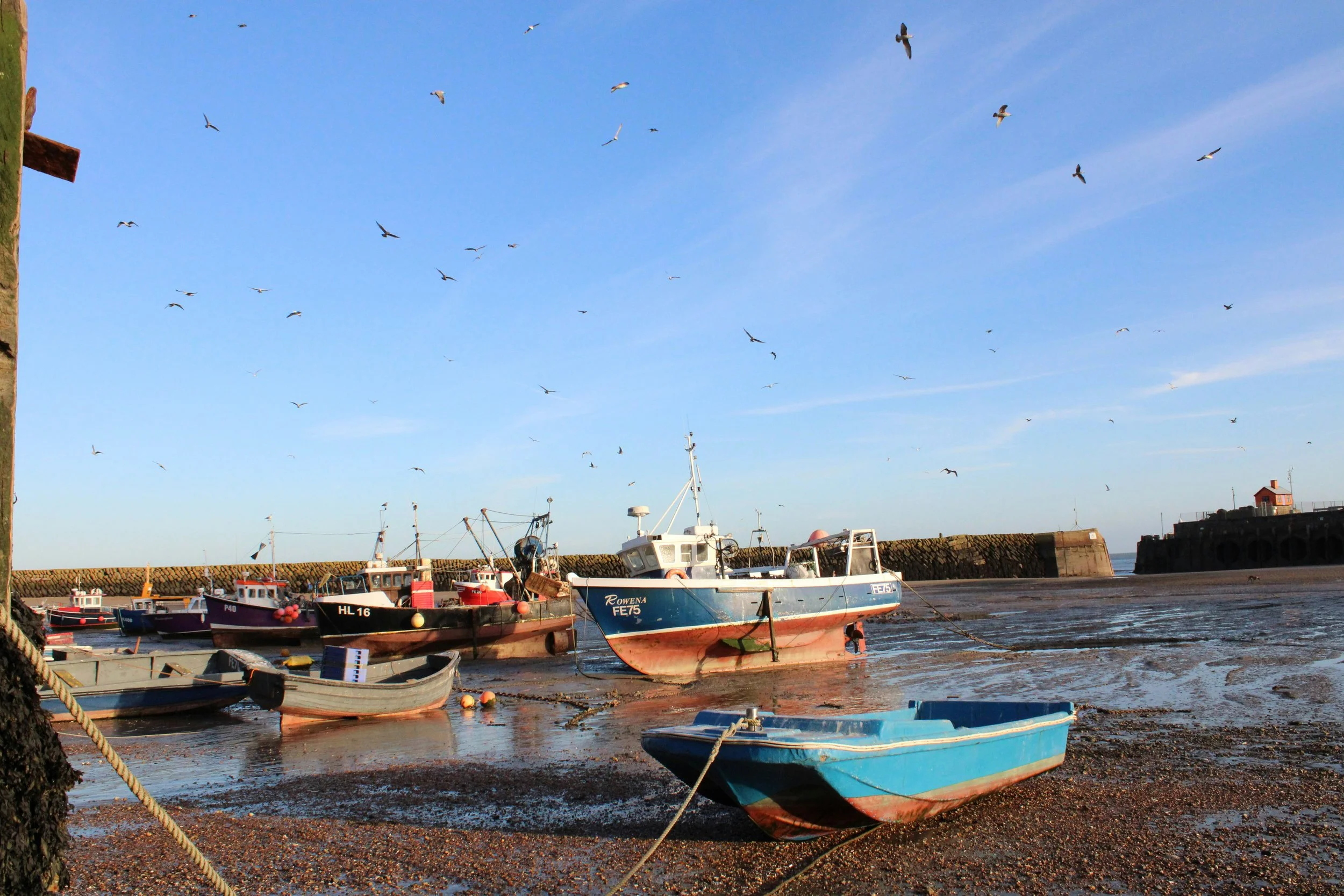
Folkestone, UK
Empowering global communities via the advancement of music policy
1. Introduction
The Center for Music Ecosystems is privileged to lead The Music Policy Resilience Network into its third year, as the program continues to develop and demonstrate its relevance to participating towns, cities, and communities, as well as providing broader benefits to those able to gain from the findings and recommendations presented in this report and the accompanying reports for all participating cities.
The Music Policy Resilience Network emphasizes the role and impact of music ecosystem policy, focusing on how it can be effectively utilized in small, mid-sized, and geographically isolated communities, as well as among those who consider themselves geographical ‘outliers,’ increasing their resilience and resistance to internal and external shocks and disturbances, and enabling them to develop not just in the field of music policy, but across various related policy areas, as befitting need. The work examines how resilience is currently embedded in the music ecosystems of the participating towns and cities, identifies areas requiring further development, demonstrates international best practice case studies, and concludes with a series of actionable recommendations, tailored to each location.
The Music Policy Resilience Network merges both research and practice via the following activities:
Monthly 1.5 hour online masterclasses and workshops focussing on topics requested by members, including ‘Empowering the Artist in the Community’; ‘Music and Tourism’; ‘An Introduction to Music Policy’; ‘The Power of Networks’; and more
1:1 research with cities and stakeholders with an assigned expert consultant, achieved through a combination of literature review, data analysis, stakeholder analysis (interviews, focus groups, written exchanges, surveys, mapping exercises, and more) culminating in a written and freely available report with recommendations
Access to the Music Policy Resilience Network online platform, and direct links with all network members
Opportunities for peer review of ongoing music policy and related projects by other members of the network
Measuring research impact and prospective next steps in each of the communities
Lifetime membership of the network (including access to the online platform and monthly masterclasses).
Join the Network
The Music Policy Resilience Network has evolved into a rolling programme, with towns, cities and communities able to join at any point throughout the year. Contact us to express your interest: info@centerformusicecosystems.com
2. Context
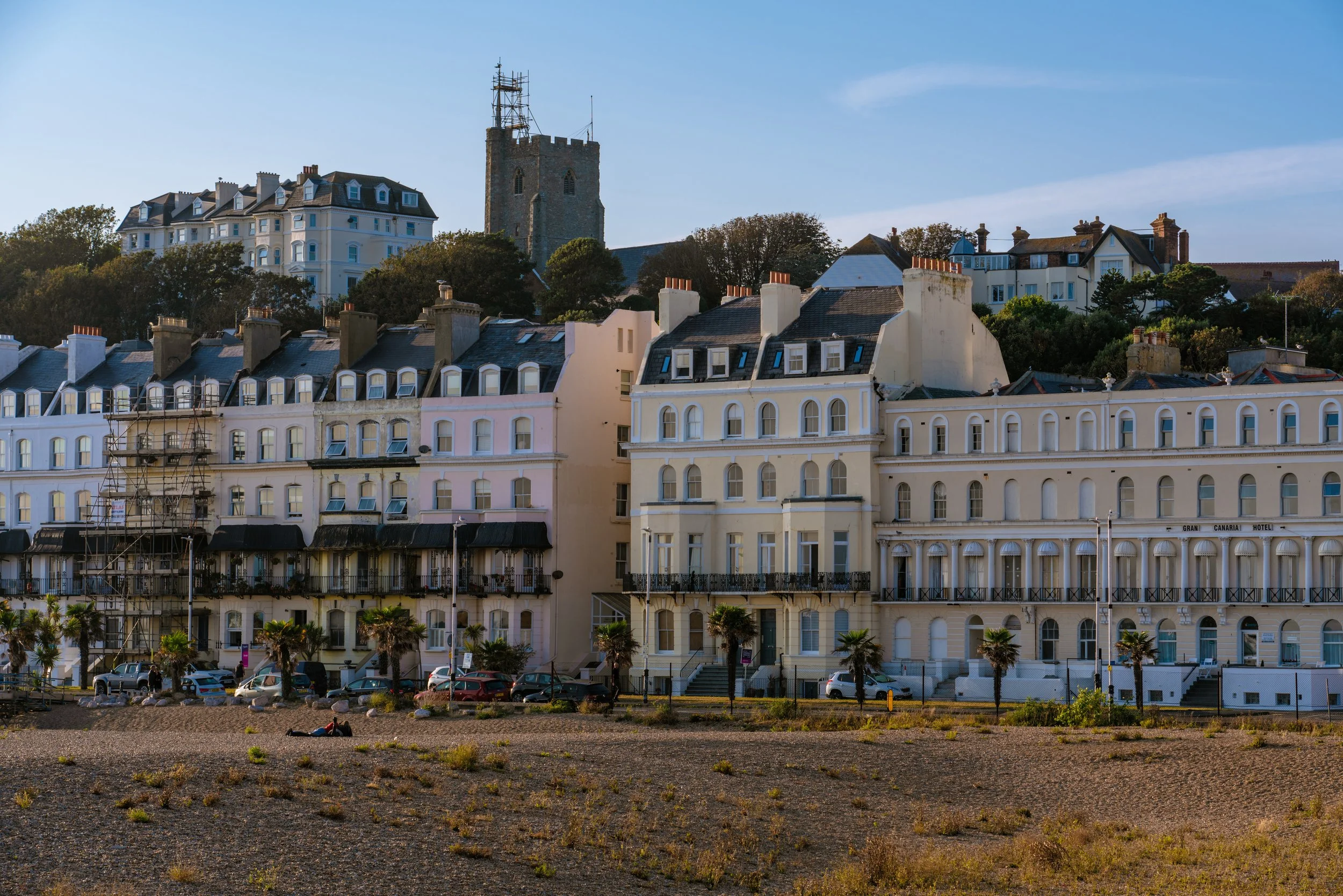
Folkestone, located on the southeastern coast of England, is one of the sunniest places in Britain. The town’s narrative has been profoundly shaped by pivotal infrastructural and economic changes, particularly the development of the Channel Tunnel and the subsequent decline of ferry services to France, effectively creating a by-pass around the town, depriving it of significant business and tourism opportunities. These transformations marked an even further shift away from Folkestone’s illustrious Edwardian past, a time when it thrived as a bustling seaside resort with the UK’s largest outdoor market, to a period characterised by economic challenges and social decline. Once stigmatised as ‘Jokestone’ due to high unemployment and drug-related issues, Folkestone has undergone a significant cultural and economic regeneration, notably spearheaded by the philanthropic efforts of Roger De Haan and his foundation since the early 2000s.
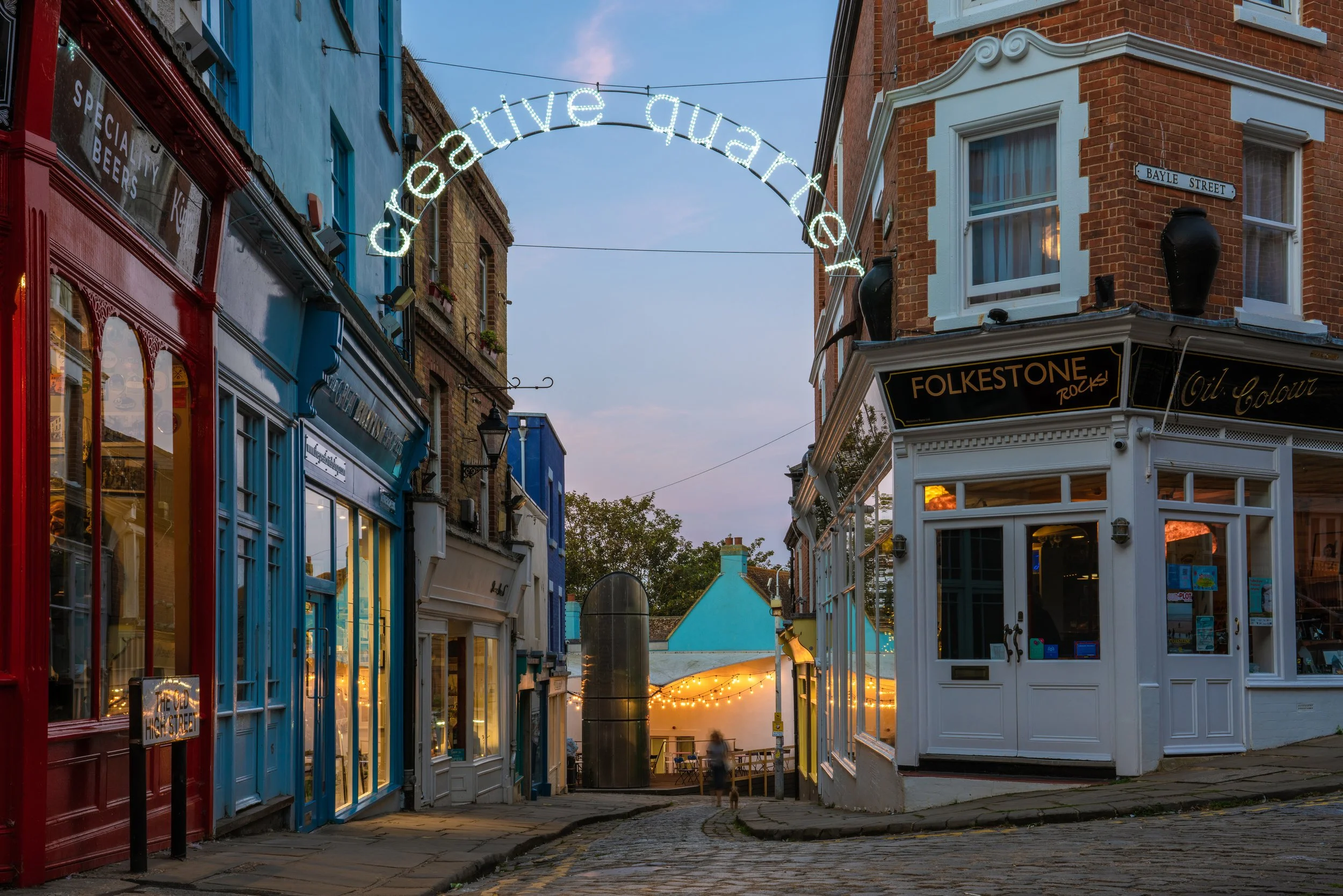
De Haan’s investments have been instrumental in revitalising Folkestone’s creative landscape, primarily through the establishment of the Creative Foundation and the town’s Creative Quarter, focused around the purpose-built Quarterhouse Arts Centre. The Creative Foundation channels revenue from De Haan's property holdings, that offer subsidised rents to creative practitioners, back into the town’s visual arts scene. This patronage catalysed the launch of the first Folkestone Triennial in 2008, a contemporary arts festival that has had transformative effects on the town’s cultural identity and has attracted an influx of creative professionals who took advantage of the subsidised rentals. The introduction of high-speed rail connections between Folkestone and London in 2009 further enhanced the town’s accessibility, enabling artists and creatives to live in Folkestone while maintaining close ties to the capital’s artistic networks. Post-COVID-19, this trend intensified, leading to some controversy and a general pushback against the town’s ‘gentrification’ in response to rising property prices; a development that has exacerbated a cultural and economic divide among local residents and newcomers alike.
Within this evolving urban context, Folkestone’s music ecosystem presents a dynamic and multifaceted sector with significant opportunities, as well as some challenges. Folkestone Music Town CIC (FMT), an organisation established eight years ago and governed by a diverse and driven board of highly skilled and committed directors, actively promotes the town’s vibrant music scene. As a Community Interest Company it is a not-for-profit social enterprise that benefits from an advisory team that includes stakeholders with deep roots in the local music community and related cultural sectors , providing strategic support for the organisation’s initiatives. It is receiving widespread support—both financial and moral—from elected politicians, business owners, the local hospitality and tourism industry, local creative SMEs, Arts Council England and the local community.
FMT has successfully fostered a cohesive network of musicians, promoters, and venues, supported by a substantial mailing list of approximately 800 subscribers. In 2024, the local FMT online gig guide listed nearly 1,000 live music events annually and received over 11,000 unique views per month. FMT also launched a mobile phone app which has the potential to offer box office services to local venues. Local authorities recognise the cultural and economic importance of this musical vitality, viewing it as a key component of Folkestone’s regeneration strategy.
Despite this, Folkestone’s music infrastructure faces significant challenges, particularly with respect to venue sustainability. The closure of The Chambers in December 2024—a critical grassroots venue with a 200-person capacity—highlights ongoing vulnerabilities in the local live music circuit. Meanwhile, local authority owned flagship venues like the Leas Cliff Hall, operated under contract by a major entertainment group (Ambassadors Theatre Group ATG), prioritise larger productions but lack the flexibility to accommodate grassroots promoters, limiting opportunities for diverse local programming. The Quarterhouse, a c.300 capacity venue operated by the Creative Foundation, faces similar constraints in terms of finance and availability.
The town’s musical offerings are varied, ranging from classical and chamber music, championed by groups such as the Sacconi String Quartet, Sounds Folkestone and Folkestone New Music, to electronic music collectives, brass bands performing regularly at the bandstand, folk, jazz, and open mic events. Festivals such as Folkestone Songwriting Festival, Profound Sound (experimental music), Folkefest, Compass Festival (local alternative and indie music) and the multicultural celebrations programmed by Folkestone Festivals and others demonstrate the breadth of the local offer, but genres such as punk, metal, R&B, soul, and funk remain underrepresented, partly due to venue closures and limited available spaces. The recurring challenge is the development of sustainable pathways from grassroots participation, such as open mic nights, toward professionalisation and sustainable careers with opportunities within the town itself; reducing the need for musicians to look elsewhere for work, and re-establishing Folkestone on the touring circuit. This desire for growth is demonstrated in initiatives like FMT’s Music in May and their audience development scheme Future Sound of Folkestone, which provide platforms and funding to nurture emerging talent and diversify Folkestone’s musical profile. FMT also offers an extensive programme of free workshops in creative and technical skills throughout the year, working with local promoters, venue managers and young or emerging artists, presenting showcases with children and young people, schools and music students and running FMT’s own, more intensive artist development programme ‘Into the Spotlight’ that includes mentoring, songwriting camps, performance and recording opportunities.
Folkestone’s music ecosystem is characterised by its rich heritage, inspired by iconic artists who have performed there, and by its ongoing transformation within a broader context of urban regeneration and cultural investment. While progress is evident, the sector grapples with infrastructural limitations, particularly around venues and investment, that constrain its capacity to fully realise its potential as a sustainable, inclusive music town.
This work will therefore focus specifically on Folkestone’s need for greater provision of venues, and how these can be made resilient: creating a positive feedback loop by offering greater opportunities to both artists and audiences to thrive and develop in the town.
3. Deliverables
PHASE 1
Stakeholder engagement
Three in-depth interviews with actors from the Folkestone music ecosystem:
• Chris Smith, The Chambers
• Councillor Connor McConville, “Liberal Democrat and Independent” Group on Folkestone and Hythe District Council
• Adam Jeanes, Folkestone Music Town CIC / Senior Manager, Music, Arts Council England (speaking in a personal capacity as a local resident and an advisor to FMT).
PHASE 2
Four best practice international case studies
Four best practice international case studies in areas of focus for Folkestone’s music ecosystem, namely venue development – helping venues to be more resilient, so they can offer more opportunities to the artists and audiences.
4. Methodology
This work has been carried out through a combination of desk research and qualitative interviews, focusing on an active involvement of the city contact in the whole process, to maximise the impact and value of the work while it was being produced. The result aims to be a synthesis of this process of work, containing key findings and suggested directions for action.
PHASE 1
Stakeholder Engagement
Context and Introduction
The first phase of MPRN research in Folkestone was a preliminary listening exercise to determine shared challenges, gaps and desired futures between different actors in Folkestone’s music ecosystem, which took place through in-depth interviews with key players in the town’s music ecosystem. These interviews resulted in the following key challenges and possible futures.
Key Challenges and Possible Futures
1. Venue Development and Utilisation Gaps
Unlocking Folkestone’s Potential
Folkestone faces a significant challenge with venue availability and utilisation that directly impacts its music scene’s growth. Like many challenges, it also presents enormous potential. Despite having venues like Leas Cliff Hall with a seated capacity of over 700 people and additional smaller spaces such as the Channel Suite, these are underused and predominantly controlled by ATG Entertainment with limited access for local promoters. This bottleneck restricts opportunities for both emerging and established artists to perform in larger, flexible spaces.
The recent closure of grassroots venues like the Chambers (capacity 200) further exposes the lack of mid-sized venues that sustain local culture and attract wider audiences. Folkestone’s purpose-built arts venue, Quarterhouse, also faces financial and logistical restrictions, but FMT are currently exploring a partnership with the venue, and are looking at strategic alliances with other venues regionally. As Folkestone now brands itself as the UK’s first Music Town, prioritising the revitalisation and opening up of existing spaces, (such as The Leas Cliff Hall and The Quarterhouse and its smaller second space ‘The Clearing’) is critical to fully embody this unique accolade in a meaningful sense, alongside developing new spaces. Enhancing venue accessibility, resilience, and programmability can ensure diverse music genres are supported, attracting both local and touring bands and artists, thus enriching cultural life and boosting local economy through music tourism.
KEY QUOTE
Adam Jeanes, Folkestone Music Town: “There are nearly 100 places for music in Folkestone, including music venues, churches, outdoor spaces and so on.. But these are small - around 50-100 capacity mostly. But people are generally quite blown away by how much happens here. The Leas Cliff Hall is managed by ATG and the council pays them every year to do this, with a capacity of 1200 standing and 750 seated. But it also has some smaller spaces like function rooms, but all of this is off-limits to general promoters. It would be good to open this up beyond the small number of ‘community hires’ per year. Folkestone does not have a flexible concert hall we can use for the larger performances and this is a real gap in provision.”
2. Balancing Regeneration and Gentrification
Sustaining Creative Communities
Folkestone is at a crossroads between regeneration and gentrification, presenting a complex social and economic challenge. The influx of creatives and commuters, drawn by regeneration efforts and the town’s artistic reputation, has driven property prices upward and altered the socio-cultural fabric of the town. While the transformation, led in part by Roger De Haan's philanthropic investments and initiatives like the visual arts-based Folkestone Triennial, has brought vibrancy and national attention, it has also exacerbated a divide between long-time residents and newcomers (often referred to as 'Down From Londons' or ‘DFLs’). This gentrification risks pricing out local artists and workers who contribute to Folkestone’s unique creative ecosystem. Maintaining affordability in housing and rehearsal/performance spaces is crucial for retaining the town’s cultural identity and ensuring that regeneration benefits all community members, rather than displacing its artistic heart.
KEY QUOTE
Adam Jeanes, Folkestone Music Town: “Margate is an interesting comparison - it doesn’t have the same direct connection transport-wise. People often ask ‘Oh yes Folkestone is that the same as Margate?’. But although Margate’s regeneration is based on the visual arts, like Folkestone’s, it doesn’t seem to have the same strength and depth of financial foundation that De Haan has created here. In Folkestone you do have a supply chain behind the culture – people living and working here who are technicians, project managers, makers and have studios for example. We are a potential creative production park. And you have a keen audience. I also think that everyone likes music – so music could be a way of bringing people together – bridging the apparent social gap between DFLs and the wider community.”
3. Enhancing Night-Time Economy and Licensing Policy
Unlocking Folkestone’s After-Hours Potential
Folkestone’s night-time economy (NTE) is underdeveloped, hampering its ability to retain young audiences and the economic benefits associated with live music and nightlife. Most venues close early, typically by 11 pm, with a few operating later to 1 am, unlike neighbouring cities such as Canterbury where the night time offer is more expansive. The local licensing policy, influenced by a more conservative council stance, restricts nightlife expansion due to concerns around noise and antisocial behaviour, which often discourages venue openings or extended hours. Changing these policies is vital to fostering a vibrant NTE that supports live music venues and promotes economic activity through hospitality, tourism, and local spending. Introducing protected entertainment zones, soundproofing support funds, and community engagement mechanisms can balance neighbours’ concerns with creative sector growth, making Folkestone more attractive for nightlife while maintaining community harmony.
KEY QUOTE
Cllr Connor McConville, Folkestone Town Council: “There is a lot of potential around the NTE in Folklestone. Currently the situation is dire: Folkestone loses a huge amount of spend especially from young people who go to Canterbury and Ashford. On a good Saturday night in summer up to £100,000 could be leaving the town and being spent elsewhere that could be spent here if we had better facilities and venues like neighbouring towns. A shift in licensing policy is needed: it is a hangover from the old conservative run council. Changing hearts and minds regarding night time policy could have huge potential.”
Adam Jeanes, Folkestone Music Town: “There is definitely less on offer for younger people. FMT’s Future Sound of Folkestone scheme was designed to get new things happening, especially for younger audiences. But I think it’s important to say that the statistics saying that audiences leave Folkestone for music are quite old now. Our own audience survey is in fact showing that at an average Folkestone gig about 25% of the crowd are coming from outside Folkestone and for Future Sound projects that's as high as 40%. And yes, those audiences are older. But there's an opportunity to develop an offer that will attract or keep younger people here, and also for music to be a tourism draw.”
4. Cultural Infrastructure and Cross-Sector Collaboration
Integrating Music with the Broader Arts Offer
Folkestone’s music scene operates in a rich but competitive cultural ecosystem alongside strong visual arts and maker communities, largely supported by the Creative Folkestone foundation and Sir Roger De Haan’s investments. There is a strong film community as well, with Screen South, a film and cultural development organisation, based in the Glassworks. Music has historically received less public funding and infrastructure support relative to visual arts. This disparity has limited music’s potential in both the public consciousness and funding allocations – one of the motivations for founding Folkestone Music Town CIC. Folkestone’s extensive heritage, including notable past performances by legendary artists (including Jimi Hendrix, The Who, Black Sabbath and Fleetwood Mac), underscores the town's cultural significance that remains underleveraged. To address this, strategic collaboration across cultural sectors is essential, aligning music policies with broader cultural development plans. Opportunities such as integrated festival programming, shared spaces like the Leas Cliff Hall, and music tourism initiatives can foster a more balanced and sustainable cultural economy, strengthening Folkestone’s identity as a creative hub and attracting grants, sponsorships, and audiences.
5. Strategic Partnerships and Funding
Securing Folkestone’s Music Future
A major challenge for Folkestone’s music scene is securing consistent and sufficient funding, as well as forming strategic partnerships that can drive venue development, artist support, and audience growth. Despite receiving some public funding (around £2.3m in arts investment in 2023-24 from Arts Council England alone), much of this prioritises other areas such as Dover’s developing scene or the visual arts sector. Folkestone needs to advocate strongly for music as a valuable cultural and economic asset, emphasising its music town status, extensive gig listings, and audience reach, with as many as 40% of attendees coming from outside the area for the Future Sound of Folkestone funded events. The Future Sound scheme, the mobile app and the gig guide offer local authorities a ready-to-invest-in cultural tourism and placemaking proposition. In the context of local authority reorganisation in England due from 2028 onwards, investment could establish a legacy project that links together other music scenes along the coast, preparing strategically for the future single combined authority likely to cover the coastal area.
Creating charitable funds, leveraging initiatives like the Music Venues Trust’s grassroots venues levy, and engaging with local councils and private investors can provide vital financial support. Partnership models that involve local promoters, councils, and venue operators—especially in negotiations over the renewal of ATG’s management contract of the Leas Cliff Hall—are key to unlocking Folkestone’s untapped music potential and resilience. Generous support from local business, public funders and donations from individuals have been crucial to keep the work going on project by project, but a more structured fundraising plan needs to be established within FMT to cover the central overheads. But there is probably more that could be done to collaborate with other venues in the East Kent region to create a network that will share gig costs such as research, touring fees, marketing and logistics and develop co-commissioning of in-bound touring projects. Now that FMT has a good picture through their survey of where audiences are shared with other towns (and where they are not), they may develop plans to share artists.
KEY QUOTES
Chris Smith, Founder of the Chambers and supporter of music in Folkestone: “Folkestone really needs investment and support that truly acknowledges the importance of grassroots music venues. Small venues also need partnerships – i.e. the lease situation at Leas Cliff Hall – so they should work in partnership with all of these small places. The blood donor group always operated out of the hall, and there are no scout groups, no community groups, it is not at all used as a community space, and it should be. There are 13 free use days per year and local organisations scramble for these. If you put an event on there or Channel Suite you are expected to bring in all your tech, however they have great tech and the know-how - this would be one major change that could be made. It would not be hard to show community support for operating together with ATG to make smaller spaces available.”
PHASE 2
Four best practice international case studies
Context and Introduction
The second part of this work comprises three reference case-studies in three areas of focus for Folkestone’s music ecosystem, namely: equipping repurposed cultural spaces for learning and the importance of networks (1), exchange programmes and showcase festivals in remote areas (2), and tourism and the night time economy (3).
CASE STUDY 1
Økistónar: the new Faroese grant for fair pay in music venues
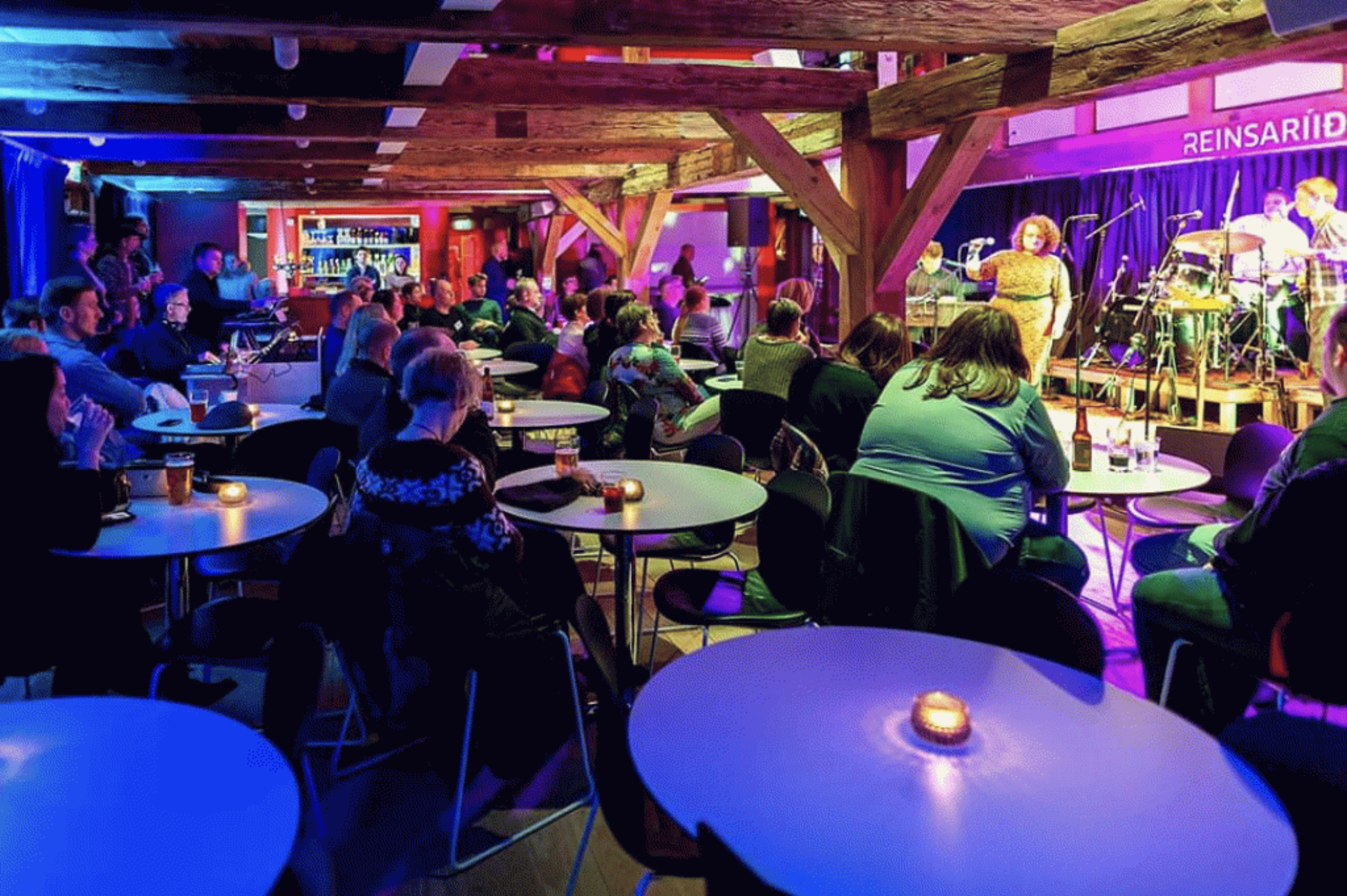
Photo: Reinsaríið music venue located in the heart of Tórshavn.
Faroes Music Association (Faroe Islands)
Organisational role and structure
The Faroese Music Association functions as a central umbrella organisation within the Faroese music ecosystem, distinct from specialised associations that focus on particular genres such as jazz, composition, or folk music. Currently, approximately 13 such genre-specific organisations operate independently, each dedicated to their own niche activities. The Faroese Music Association’s primary objective is to consolidate these diverse facets of Faroese music into one coherent and influential voice, particularly for engaging with policymakers and securing political and financial support.
Its membership is composed of music organisations rather than individual musicians, enabling it to represent the collective interests of the Faroese music community at a national and political level. This positioning has allowed the Association to influence significant developments benefiting the broader music ecology.
The municipal grant scheme: enabling resilience for venues and musicians
A core initiative pioneered by the Faroese Music Association is a support scheme launching on 1st January 2026, having been piloted throughout 2025. This grant scheme is designed to make it financially viable for venues—particularly those that are geographically remote or less commercially focused—to book musical acts they otherwise could not afford. The scheme aims to enhance cultural reach and sustain smaller venues by directly subsidising musicians' wages.
The operational model underpinning the scheme involves a joint funding mechanism between municipalities and the state. Each municipality voluntarily contributes 1 Danish krone (DKR) per inhabitant per calendar month, which is then matched by an equivalent contribution from the state, creating a pooled fund of approximately 1.3 million DKR annually. Because 2 DKR equals about 0.3 euros, this per capita levy effectively mobilises significant resources dedicated to supporting live music. Importantly, this levy is voluntary, not obligatory or a tax, and the scheme is positioned as a “good deal” for participating municipalities because the return on investment is structured to be double: venues receiving grants must generate at least the amount invested back in musical performances, ensuring a balance of risk and reward.
Venues apply for these funds through a trimester-based application process. The grants specifically cover guaranteed minimum wages for musicians, excluding ancillary costs like wardrobe or production expenses, thus ensuring that the financial support is directed exclusively to artists’ compensation.
Inclusivity and Monitoring
The Faroese Music Association has emphasised diversity and equity in the scheme's criteria. Funding is allocated with an eye toward achieving geographic distribution across multiple municipalities, as well as ensuring genre and gender diversity. For example, if data reveal underfunding of jazz acts or an imbalance in gender representation, corrective measures would be considered at the national level.
This framework draws inspiration from comparable schemes in Denmark, which include both artist-focused grants and state funding for professional venues to improve infrastructure and cover overhead costs. The Faroese approach adapts these principles to local conditions, focusing primarily on enabling performance opportunities and direct artist support rather than venue operational budgets.
Impact on Audiences and Music Ecosystem
Although the grant scheme is relatively new—with a trial period underpinning its first year—early indicators suggest significant positive impacts. Audience attendance has increased, notably in smaller municipalities that had previously lacked regular live music programming due to financial constraints. Venue operators in these areas are increasingly motivated to “think outside the box,” programming concerts that were previously economically unfeasible. This expansion beyond the two main urban centers marks an important democratisation of cultural access across the Faroe Islands.
For musicians, the scheme reduces financial risk for venues, encouraging them to book a wider array of artists, including those operating outside the commercial mainstream. Established bands benefit as well, often able to perform with their full ensemble rather than stripped-back lineups in smaller or more remote Faroese towns. This enhancement enriches the audience experience in smaller communities and helps local artists prepare more robustly for international touring circuits—a critical aspect of professional development that was previously difficult within the Faroese context, where artists would set out on tour essentially under-rehearsed in a live setting. The scheme is expected to represent a transformative shift in terms of quality within the Faroese music environment, enabling artists to refine what they do by facilitating more frequent, higher quality performances.
International comparisons
The central funding model—a voluntary per capita levy pooled into a collective grant fund—has proven effective in the Faroes despite the country’s small population. It should be noted that such a model would be challenging to implement in contexts like the UK, where municipalities do not have the authority to levy such fees. However, establishing a local fund through voluntary contributions could be a viable alternative for other regions seeking to support their live music ecosystems—indeed this is similar to how Folkestone Music Town CIC is currently operating.
Additionally, the scheme’s open-call grant application process provides the Faroese Music Association with valuable insights into emerging artistic trends and socio-cultural dynamics, informing broader strategic planning within the sector. The guarantee of minimum wages to musicians, independent of promoter or venue profit margins, reflects an exciting national commitment to artist welfare and professionalisation.
CASE STUDY 2
Ancienne Belgique (Brussels, Belgium)
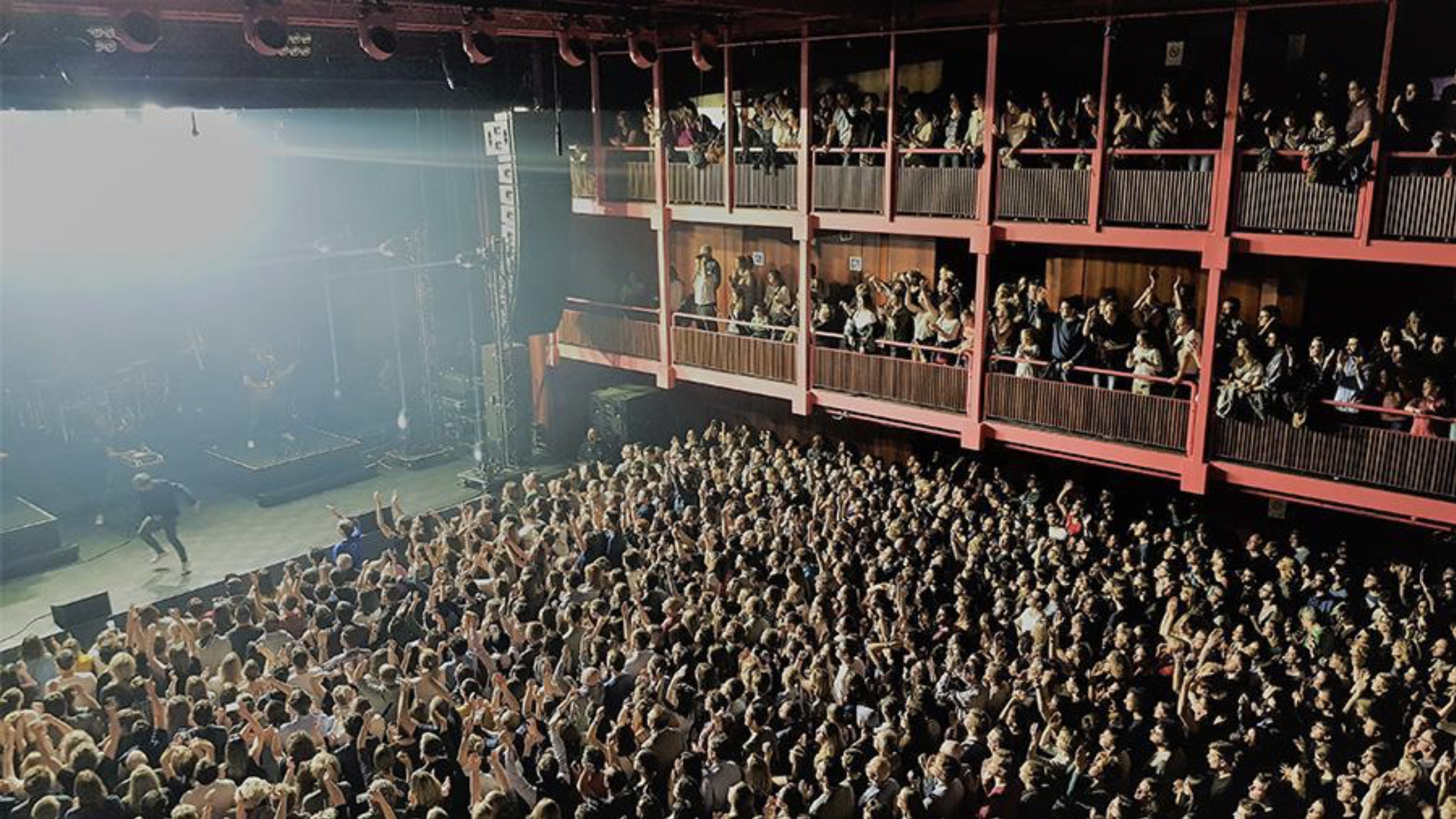
Financial model
Ancienne Belgique (AB) is a non-profit organisation focused on developing new talent and supporting good causes (‘a venue with a heart’). This mission endears them to audiences, artists and sponsors.
AB’s financial model consists of four main elements: ticket sales, public funding, sponsorship and the bar. The venue is a well-established household name, which creates a positive feedback loop in terms of its ongoing success. This profile has largely been achieved by hosting international bands. AB is a mid-sized venue, with bands often playing two nights, and has two performance spaces including the club (250 capacity) and the main venue (2,000 capacity). The smaller club venue intentionally operates at a loss, and is treated as an investment into developing the artists that grace its stage.
AB receives 20% of their funding from public funding, which mostly consists of regional funding (Flemish government), supplemented by local funding (city of Brussels and Brussels Capital Region). This money is reserved for projects with financial risk, such as talent development programs and projects focussed on audience development (i.e. discounted tickets for those on low incomes). The remaining 80% is commercial income – which is achieved each time the venue of 2,000 capacity is sold out – this is their ‘cash cow’.
Each time the main venue sells out, they achieve a €20-30,000 profit. An amount of income then goes back into projects with risk. However, as soon as a concert does not sell out, it can mean either breaking even or incurring anything up to a €10,000-100,000 loss.
Income is reinforced via sponsorships with Anheuser-Busch InBev (the Belgian-Brazilian conglomerate that produces Budweiser, Becks and Busch); The Coca Cola Company, as well as one bank, one telecoms company and the Belgian national lottery. This amounts to €150,000 per year, for contracts of 3-5 years. The sponsor receives complimentary tickets and the free use of the venue for hires.
There are also smaller sponsors for specific projects - such as Brussels Pride, for which AB produces a themed artistic programme, most recently sponsored by Eastpak for €20,000, who received content and online promotion in return. The venues need to secure approximately four of these sponsorships per year.
Local universities contribute financially towards talk and conference events, amounting to around €15,000.
All of the above income-generating activity totals around €700-800,000 per year.
The venue also tries to optimise profit from beverages. The bar is run by ‘student workers’ and ‘paid volunteers’ who receive €36 per night (a Belgian government scheme), as well as complimentary tickets. It is a community of volunteers who all really want to be there.
In January there are fewer artists on tour, so the venue is hired out for commercial events such as New Year’s receptions, or presentations of new products, etc. Out of venue rental, at least €200,000 is generated per year.
What are the results?
AB are selling out almost all of their shows this season, so this tried and tested model continues to function well. More than 90% capacity has been achieved during 2023 in the main hall. This means that there will be a profit of between 150-300,000 EUR. However, this is still a risky model because it relies on selling out. Based on the market, AB expects a lower number of sold out main hall shows in 2024. Furthermore, one of the main sponsors is significantly decreasing their support. In combination with high energy and personnel costs, this can quickly lead to break-even or a €50,000 - €150,000 loss.
Key takeaways
This ‘backbone’ is built on making as much profit as possible and maximising profit around the main hall. Make sure the basics are profitable, and then grow your programme around it.
Combine own productions with venue rentals of external concert promoters (in AB’s case: LiveNation, FKP Scorpio, Greenhouse Talent). If you always need to sell out your main hall with your own team, it creates too much pressure.
Build a mothership of 3 to 5 main structural sponsors. Around this mothership, you can build lifeboats, with project sponsors that support specific projects.
Build a story for your sponsors. They need more than just putting an artist on a stage. In the case of AB, sponsors look for a venue with a real face, a place with a legacy that supports young talent and that cares about both Brussels and the wider world.
Invest in a specific, paid role to lead on funding, sponsorship and venue rental.
Maximise the profits from your bar. Build a strong community of students and volunteers, and combine it with a rigorous stock control.
CASE STUDY 3
Building Venue Resilience and Collaborative Ecosystems – Insights from the UK Music Venue Sector
Music Venue Trust: Artwork for the Manifesto for Grassroots Music
Music Venue Trust (UK)
This case study explores critical challenges and innovative solutions in strengthening grassroots music venues across the UK, drawn from conversations with national venue support experts and local music advocates. It highlights efforts to enhance resilience, broaden opportunities for artists and audiences, foster collaborative venue networks, and examine the coexistence of grassroots operators alongside major commercial entities.
Navigating Venue Resilience: Ownership and Operational Challenges
One of the most significant threats facing grassroots venues is insecure property tenure. Data indicate that many venue operators are, on average, only 18 months away from rent reviews, which typically result in increased costs or lease scrutiny. This financial pressure drives instability and threatens venue survival. In response, Music Venue Properties (MVP), a community benefit society, has pioneered the purchase of freeholds for select venues to secure their cultural futures. MVP focuses on venues that demonstrate sustainability and community value, often using a mix of community shares, local government loans, and arts funding to facilitate purchases. Venues like The Snug in Atherton exemplify this model, becoming vital cultural hubs with secured longevity.
Collaborative Venue Networks: Learning from Regional Models
The importance of venues working together is evident in various UK cities. Networks such as the Music Venue Alliance cohort in Brighton and the newly formed Sheffield Independent Music Venue Network provide frameworks for collaboration, shared advocacy, and mutual support. In Greater Manchester, the Greater Manchester Music Commission, chaired by one of the venue experts, operates as an independent body fostering sector-wide coordination and strategic initiatives. These networks improve venue sustainability, facilitate knowledge exchange, and enhance audience and artist engagement.
Grassroots and Commercial Venue Partnerships: Challenges and Opportunities
A critical inquiry centers on whether grassroots promoters and larger commercial operators, such as ATG managing Leas Cliff Hall in Folkestone, can coexist and collaborate effectively. Experience suggests this relationship is often fraught, with grassroots operators concerned that their developmental work is overshadowed by commercial promoters securing more lucrative, larger-scale events as artists grow. Nevertheless, some examples like Parklife Festival showcase mutually beneficial partnerships where grassroots promoters have programming opportunities alongside major operators. Success in these scenarios hinges on goodwill, clear pathways for artist progression, and shared goals, though sustainable models remain rare.
Innovating for Artists and Audiences: Programming and Community Engagement To better serve artists and audiences, venues are increasingly adopting inclusive programming strategies, diversifying genres and performance opportunities, and experimenting with event formats to attract broader demographics—including daytime and early-evening events that fill cultural gaps. Initiatives such as the Early Doors Club in Atherton offer models for creating accessible, affordable live music experiences outside traditional nightlife hours, helping to build new audience bases and support artist development.
Strategic Recommendations and Future Directions Experts emphasise the need for comprehensive cultural strategies at the local level, mapping existing assets, engaging stakeholders, and developing sustainable funding streams. Addressing fragmented responsibilities across local authority departments (planning, licensing, health and safety) is equally important to reduce operational barriers. Furthermore, formalised venue networks and touring circuits—for example, the emerging Kent venue circuit—can create pathways for artist development and strengthen regional ecosystems.
A national ticket levy under government consideration, akin to France’s model, promises future financial support for grassroots promoters and venues, potentially bridging persistent funding gaps.
CASE STUDY 4
Building a Vibrant Early Evening Music Scene in Atherton – A Grassroots Revival
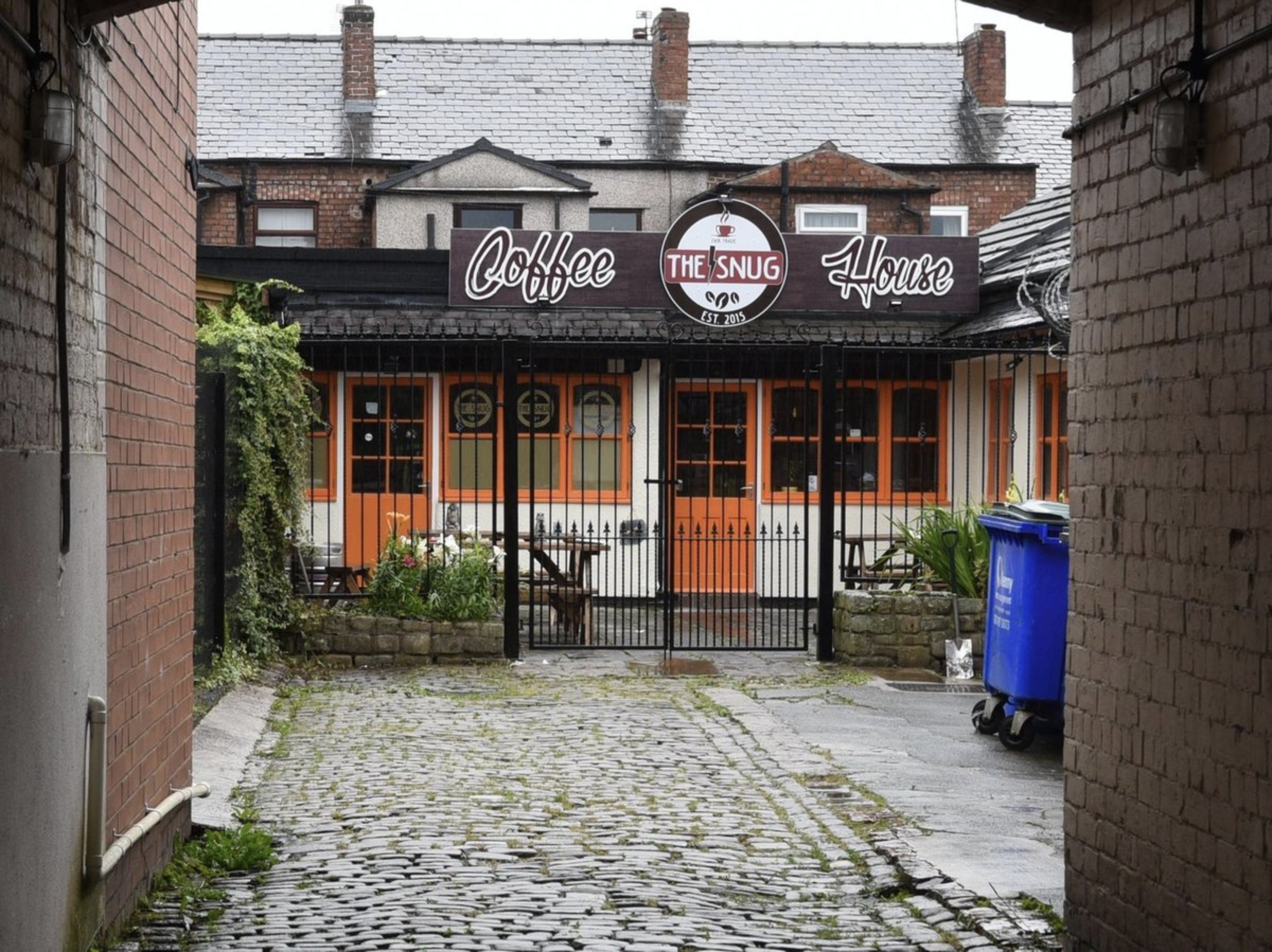
The Snug, Atherton (Greater Manchester, UK)
Background and Origins
Atherton, located in the Wigan borough of Greater Manchester in the United Kingdom, has been historically underserved by cultural and live music provision. Ten years ago, after redundancy from an insurance job in the city center, the founder invested redundancy money to establish a small coffee shop in the town—a place where locals could enjoy good coffee and quality music, at a time when offerings were primarily limited to cover bands.
This venture has grown into a creative hub central to the town’s social fabric, developing a blend of commerce, creativity, and community engagement.
Identifying a Gap: The After Hours Opportunity
In 2022, the UK Shared Prosperity Fund (UK SPF) distributed Levelling Up funding through the Greater Manchester Combined Authority (GMCA), dividing allocations among its ten boroughs. Wigan received funding aimed at encouraging younger residents (16-25) to “disconnect from their phones” and engage with local live music, especially during early evening hours from 5 pm to 8 pm on Fridays.
Wigan's town center was often described as a “ghost town” at this time, especially compared to nearby Manchester, where the city buzzed with activity as people moved on to restaurants and bars. The town's cultural ecosystem was notably sparse—lacking theaters, cinemas, and libraries—resulting in limited nighttime economy and social opportunities.
Recognizing this gap was crucial. The lack of cultural offerings made it difficult to develop a sense of local belonging or encourage evening footfall. Meanwhile, local businesses struggled to attract customers during early evening hours despite opening earlier.
Piloting the Early Doors Club
The £175,000 two-year pilot, known as After Hours, was viewed as a transformational investment for the community. Funds were allocated across four venues, including the coffee shop, a cocktail bar, a church, and the project’s own venue, each receiving approximately £10,000 to upgrade sound and lighting equipment.
The programming focused on early evening live music, creating what came to be known as the Early Doors Club. Events were often scheduled once monthly per venue on Fridays, with performances starting around 6 pm to accommodate local commuting and traffic constraints (notably the heavy 5 pm congestion).
The Early Doors model was designed to:
Provide culturally rich, accessible entertainment before other more traditional nightlife began.
Encourage family participation by accommodating under-18s accompanied by adults, developing intergenerational engagement.
Support venue financial health through a “split-set” performance format, encouraging attendees to visit bars during intermissions, increasing bar sales for venue sustainability.
This approach was well-suited to Wigan’s limited public transport, especially the early end of train and bus services. It provided safe and convenient options for younger audiences, families, and older residents to enjoy live music without the challenges and risks (perceived or real) associated with late-night outings.
Community Impact and Resilience
The cultural programming rapidly became more than just entertainment—it revitalised community spirit and strengthened the local creative ecosystem. The pilot delivered over 100 live music shows across four venues, training local sound engineers, lighting technicians, and videographers, with a strong focus on gender parity in lineups and event staffing.
The church venue, with a 300-seat capacity, experienced a significant boost in bar sales, generating an additional £15,000 in revenue over the past year, helping sustain church operations during otherwise quiet periods. The pilot also enabled smaller venues such as the coffee shop to remain open by attracting regular audiences who otherwise might not have visited.
Data gathered through Eventbrite ticket registrations provided valuable insights into travel patterns and audience demographics, informing funding applications such as successful bids to Arts Council England and ongoing bids to GMCA’s Spirit Fund aimed at expanding reach beyond Wigan into neighboring priority areas.
Building Strong Local Partnerships
A key factor in the programme's success has been its strong, collaborative relationship with Wigan Council. Unlike many grassroots venues, the organisers have cultivated positive connections with local arts and culture departments, facilitating support for additional programming and pop-up events across the borough.
Local businesses also benefit, with coordinated efforts to incentivize post-event visitation through bar and restaurant offers, increasing footfall during typically quiet early evening hours and supporting the wider nighttime economy.
Artist and Audience Engagement
Artists are paid fairly according to Arts Council guidelines, with main support acts receiving fees between £150-500 and headliners up to £1,200. The application process is a mix of open calls and proactive scouting by the organisers, ensuring fresh and diverse lineups that resonate with the community.
The initiative has had positive effects on family dynamics, with parents appreciating safe, early evening opportunities to enjoy music alongside their teenagers—a rare offering in the area. The project also creates pathways for young people to get involved behind the scenes, volunteering and learning technical skills, contributing to their development and sustaining the local music scene.
Challenges and Reflections
Challenges such as five o’clock traffic can occasionally impact artist punctuality and soundcheck times, but strong communication and flexibility have mitigated disruptions. Financially, much of the project team’s workforce is voluntary or under-resourced, reflecting the commitment and passion driving the initiative despite limited funding, and creating a clear need for future development.
Looking ahead, the focus is on expanding programming geographically, and securing larger-scale funding.
PART 5
Conclusion and Final Recommendations
Conclusion from Folkestone and next steps
Sophia Stutchbury, Singer and Folkestone Music Town member: “Being part of the MPRN has been incredibly useful for FMT. It has helped us to put the support we give to artists and venues into a national (and international) context. We really want to follow up with so many of the ideas and participants – especially The Snug in Atherton and their Early Doors scheme and to learn more about the Faroe Island’s venue support funding, which really shows what local authority support can achieve practically. I think the research has confirmed what we were thinking. Venues are fundamental to grass roots music, and next I think we must investigate touring and gig circuit development and how to strengthen our local talent development. So venues, artists and touring are three key things – and fourth is music education, and fifth – community!”
Key recommendations
Short term (0-12 months)
1. Conduct a comprehensive ecosystem mapping and stakeholder database to catalogue venues, artists, and cultural workers. Include in this an audit of the performance and rehearsal spaces and their facilities / offer.
2. Open bookable days at Leas Cliff Hall to local promoters by next contract renewal to increase diverse programming flexibility, creating more work and opportunities for all ecosystem actors, more profile for Folkestone, and elevated spend in the town.
3. Launch a community-led review to amend licensing policy, introducing pilot protected entertainment zones.
4. Initiate partnership discussions between ATG, local promoters, and council to co-manage shared venue tech and spaces Initiate partnership discussions between ATG, local promoters, and council to co-manage shared venue tech and spaces.
5. Establish a dedicated sponsorship/funding lead role within Folkestone Music Town CIC and seek to secure core overheads costs.
6. Develop and launch the online venue/network directory within 6 months to map Folkestone’s music spaces, synergies and collaborative opportunities.
7. Conduct a baseline survey of local artists’ and audiences’ needs for venues and night-time offerings, completed within 6 months.
8. Launch a targeted marketing campaign promoting Folkestone as UK’s first Music Town to increase awareness and attendance.
9. Launch audience-building campaigns establishing a baseline number of regional music fans and a growth plan by December 2026
10. Organise a music-focused conference attached to events to boost community engagement, community cohesion and demonstrate commitment to policy change. Invite policymakers.
11. Programme at least 4 events in unexpected venues or public spaces by end of 2026, showcasing diverse music genres
12. Develop and activate a collaboration framework with 10 local cultural and community organisations, establishing cross-sector projects
13. Integrate visiting musicians into local advocacy by involving 3 guest artists annually in Folkestone community initiatives starting 2026 – for example, using the Quarterhouse or Leads Cliff Hall as a way of bringing in touring artists on a mixed programme also featuring local artists.
14. Establish a pilot East Kent Touring Consortium or network of venues to commission and develop touring projects in the region – working with three-four venues in other towns.
Medium Term (1–3 years)
1. Enter into partnership with Leas Cliff Hall or Quarterhouse by end of 2027, unlocking emerging artist potential and enabling the possibility of orchestral performances.
2. Further develop the Future Sound of Folkestone, introducing a small-scale grants programme for grassroots venues based on the Faroese model, operational by 2027.
3. Integrate music fully into Folkestone’s cultural strategy, co-programming festivals and tourism initiatives aligned with visual arts by 2030.
4. Run a pilot early-evening live music series across 3 venues to boost young audience attendance before 8 pm (or addressing a different need, as identified via existing knowledge and research) by end-2026.
5. Build an annual Folkestone Music Town Awards event to celebrate local talent, partners, and funders, held first by 2029.
6. Implement soundproofing support fund and community engagement plan to ease night-time licensing expansions within 2 years.
7. Form a formal Folkestone Music Venue Network to enable knowledge exchange, advocacy, and joint programming by early 2027.
8. Develop training programmes in sound engineering and event management to build local music workforce by 2027 and explore this as a potential income stream.
9. Establish a public-private fund pooling council, private, and community contributions for grassroots venue and artist support operational by 2028.
10. Explore potential opportunities with Youth Music to produce all-ages event series annually, giving programming roles to local youth.
11. Host roundtables with regional, national, and/ or international cultural organisations to align funding and advocacy strategies, and attend associated events, including MPRN in person summit in Greenland, (2026, TBC). Explore membership of Music Cities Network and other similar networks.
12. Sustain and further develop a learning pipeline delivering 6 workshops annually on music production and event skills, and explore this as a possible income stream.
13. Secure at least £50,000 funding by 2028 for equipment in creative music spaces to support local production and learning. Explore opportunities with for venue development or purchase with MVT.
14. Develop a strategic approach to Local Government reorganisation that strengthens the argument for music and music’s economic and social impact in terms of funding, tourism, placemaking etc and begin scoping conversations with all tiers of the existing local authorities.
15. Engage at least 5 local businesses in co-funding or sponsorship agreements for festivals or training programs by end of 2027.
Long term (3-5 years)
1. Secure diverse, multi-year sponsorships (3–5 years) totaling £500,000+ to support venue upgrades, artist development, and audience growth by 2030.
2. Achieve affordable housing and workspace policy commitments protecting creative communities to sustain local artist residency by 2030.
3. Establish permanent community ownership or long-term lease protections for grassroots venues by 2030, inspired by the Music Venue Trust model.
4. Expand the night-time economy by safely extending venue licensing hours to 2am in key areas, supporting nightlife growth by 2030.
5. Implement a regional touring circuit connecting Folkestone venues with Kent partners to expand artist exposure by 2030.
6. Build an annual Folkestone Music Town Awards event to celebrate local talent, partners, and funders, held first by 2029.
7. Found a local Kent network for professionals to pursue joint music initiatives and hold bi-annual meetings.
8. Develop and implement a diversified fundraising strategy raising over £250,000 yearly by 2030 from multiple sources, including grants and sponsorships